Learning how to ride long days back to back is mostly about managing what carries over between the two days, not about being fitter. You ride day one at a controlled pace, eat and drink on schedule, cap day two at an easy Zone 1-2 effort, and treat the overnight window as part of the training session. Budget four to six weeks of preparation before a weekend of five-plus hour rides.
The mistake almost everyone makes is treating the second day as a repeat of the first. A single 100-mile day is a manageable event you can recover from in a day or two. Two of them in a row, ridden hard, stack residual fatigue faster than you can clear it, and the second day usually turns into the one where power disappears and motivation goes with it.
Here is the short version: build a base first, rehearse the pattern with a lower-risk three-day version, hold day two at roughly 60-65 percent of FTP, eat 60-90g of carbohydrate an hour while you ride, and protect eight hours of sleep the night between. The rest of this guide fills in how and when.
Table of Contents
- What You Need
- How to Ride Long Days Back to Back
- Step-by-Step Training Plan
- Step 1: Build a Safe Base Before You Ride Long Days Back to Back
- Step 2: Schedule the Workouts Gradually
- Step 3: Use a Three-Day Rehearsal
- Step 4: Fuel the First Ride for Tomorrow
- Step 5: Pace the Second Ride by Effort
- Step 6: Recover Between Rides
- Common Mistakes
- Frequently Asked Questions
- How long should I wait between two long rides?
- How do I recover after a long cycle ride?
- Is riding two hard days in a row bad for cycling?
- How should I fuel back-to-back long rides?
- How do I know if I’m tired or overtraining?
- Conclusion
What You Need
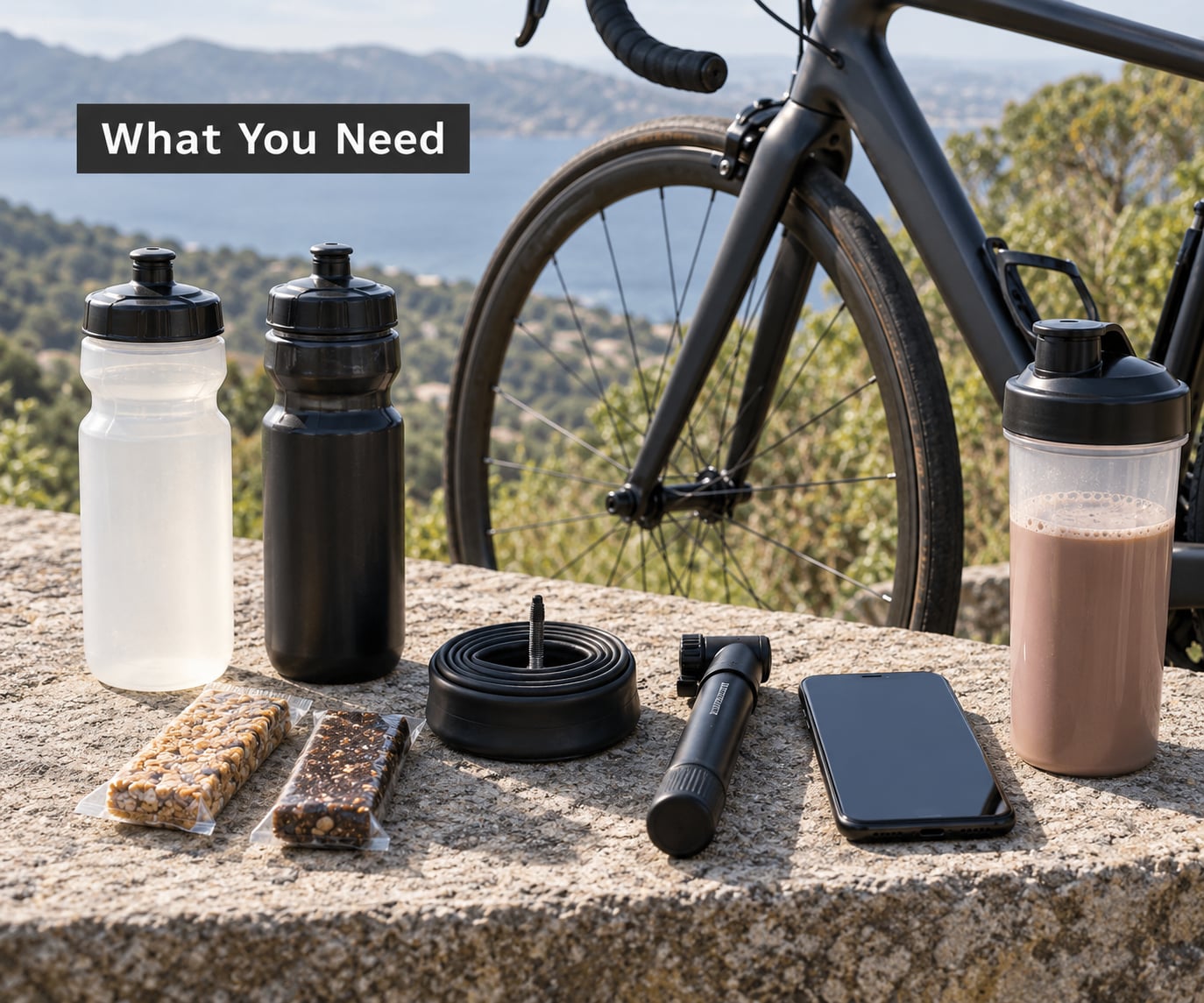
Before the weekend, you need three things sorted: a training base, a bike that will not create problems, and every piece of food and kit already decided.
A base that survives a long day. A fair test is whether you can ride five to six hours, feel ordinary afterwards, and be back to normal within a day. If you are wrecked for three days after your normal weekend ride, back-to-back long days will not go well yet.
A bike set up for comfort over speed. Nothing ruins day two like a saddle issue or a drivetrain that started skipping on day one. Check the chain wear, torque the bolts you touched last week, and set saddle height so you are not standing out of the saddle on every climb.
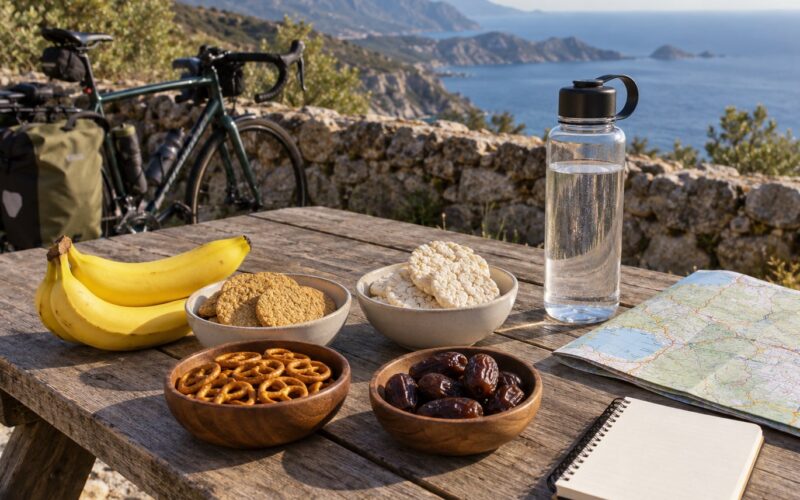
Fueling supplies for both days. Plan roughly 60-90g of carbohydrate per hour of riding and pack enough for the whole weekend plus one spare hour. That usually means 300-500g per long day. Real food works well: rice balls with jam, PB&J sandwiches made the night before, home-made energy bars, dried fruit and pretzels for the boring middle hours.
Fluids and sodium decided in advance. Fill every bottle before the ride and note roughly how much you drink per hour, usually 500-750ml depending on heat. Carbs get used whether you drink or not, so dehydration shows up as a hard day rather than a thirsty one.
Recovery tools that cost little. A foam roller or a stretch strap, a shower or bath at home, a sleep target, and a normal meal within an hour of finishing. Riders converge on the same order after a big day: eat, rehydrate, move a little, then sleep.
A schedule with honest gaps. Check work, family and daylight before you commit. Back-to-back long days need more recovery time than most riders budget, and a day that starts at 4pm on a work night is a different problem entirely.
How to Ride Long Days Back to Back
Back-to-back fatigue is cumulative, not acute. Day one drains glycogen stores, creates small amounts of muscle damage, and adds to your overall training stress. Overnight, your body repairs and refills, but it never fully returns to where it started, so day two begins with a deficit that gets larger each day of the block.
That is why intensity is the variable to control. Distance is fixed by the event; power is the choice you make on the bike. Cap every day after the first and the block builds fitness. Repeat the first day’s effort and it erodes you instead.
| Day | Target zone | Power | RPE (1-10) | Why |
|---|---|---|---|---|
| Day 1 | Z2 with brief Z3 moments | 65-75% FTP | 3-4 | You want a long day, not a test |
| Day 2 | Z1-Z2 only | 60-65% FTP | 2-3 | Residual fatigue is highest here |
| Day 3+ | Z1-Z2, spin if legs are flat | 55-65% FTP | 2 | Diminishing returns set in fast |
Coaches planning multi-day gravel stage races in the TrainerRoad forums keep long endurance work near 60 percent of FTP for the same reason, and riders building toward a 600 km day converge on the same advice: let the volume do the work, not the effort.
Two more things carry the weekend. The first is pacing: start slower than feels reasonable, hold a seated position on the early climbs, and resist chasing the group when the road tilts up. The second is the evening start, a trick r/cycling regulars use for very long efforts, since leaving in the evening pushes the finish toward normal sleep hours.
Step-by-Step Training Plan
Step 1: Build a Safe Base Before You Ride Long Days Back to Back
Spend the first two to three weeks simply confirming you can handle one long day and recover from it. Ride your normal long ride, note how you feel 24, 48 and 72 hours later, and write those numbers down.
Your weekly mileage matters less than consistency. Three steady weeks beat one heroic week followed by a crash, and they give you an honest number to build on rather than a guess.
How to know it worked: you finish your long ride, sleep well that night, and your resting heart rate the next morning is within a few beats of your normal baseline.
Step 2: Schedule the Workouts Gradually
Progress the distance of the second ride rather than the intensity of either ride. Go from a shorter second day to consecutive century-length days, and never jump both distance and climbing in the same week.
A workable ladder: back-to-back rides of three hours plus two hours, then four hours plus three, then five hours plus four, then the real target. Give yourself a week at each level and a recovery week when it stops feeling ordinary.
Keep hard days away from each other. The mtbr forum consensus is one full rest day and one genuinely easy day each week, and never two days of intensity back to back. That rule applies to your small weekend rides too, not just the big ones. Riders who get how to ride long days back to back right tend to build this ladder a few months ahead rather than a few weeks, because the later rungs need more lead time than the first one.
Step 3: Use a Three-Day Rehearsal
Three to four weeks out, run a low-risk version of the pattern. A long Saturday ride of four to five hours, an easier Sunday ride of two to three hours, and a realistic weekday recovery routine in between and after.
The point is not fitness. It is finding out that you made a fueling mistake at hour four, that the route has no water for 90 minutes, or that you have no plan for dinner when you finish. Better to learn those things in training.
Success check: you can describe your fueling plan for both days without thinking, and you know exactly where the food and kit are.
Step 4: Fuel the First Ride for Tomorrow
Eat and drink normally on day one. You are not loading up for a single effort, you are starting a two-day process, so the goal is finishing day one with full glycogen stores rather than emptying yourself for one last surge.
Stick to foods you have eaten on long rides before. Nothing about a back-to-back weekend is the moment to try a new bar, a new drink mix, or a large restaurant lunch halfway through.
After finishing, get a carbohydrate-rich meal in the first hour and 20-30g of protein with it. Riders who grab whatever is in the fridge recover worse than riders who plan the meal, and this is the single cheapest improvement in the whole protocol.
Step 5: Pace the Second Ride by Effort
Start more conservatively than day one, even though you know the route. Aim for RPE 2-3, stay seated on the early climbs, and hold back in the group when it surges.
Watch the signals rather than the schedule. Rising heart rate at the same power, more than a few percent of power loss on the same climb, or a heavy, lead-leg feeling all mean reduce power now. On a fatigued day, power drifts downward on its own; holding yesterday’s numbers means riding at a much harder relative effort.
On group rides where others set the pace, decide in advance that you will sit in the second wheel and let the front group go. Riders report that asking for an easier day out loud is far easier than doing it privately and then struggling for an hour.
Step 6: Recover Between Rides
Use the overnight window in order. Eat within an hour of finishing, replace fluid and sodium, then get 20-30 minutes of gentle movement such as easy walking or foam rolling rather than a hard cool-down spin.
Aim for eight hours of sleep and avoid alcohol that evening. A short nap in the afternoon of day two is a legitimate tool on an event weekend and does more for perceived effort than most riders expect.
Before rolling out on day two, do a fast check: how is your resting heart rate versus baseline, how do the legs feel on a few easy minutes, and how is your mood. If your mood is flat and your power is missing, an easy shortened ride still counts. Riders training for multi-day events often arrange every other day of riding, every other week, so a rest week is available when a block runs long.
Common Mistakes
Riding day one too hard. The first day feels fine because you are fresh, and the cost lands later. The fix is to set the day one ceiling before you leave, around 65-75 percent of FTP, and treat anything faster as optional.
Trying to match day one on day two. Same route, same pace, same effort, and you will simply go slower at a higher heart rate. The fix is to compare effort, not speed, and to ride Z1-Z2.
Underfueling on day two. Appetite is often low after a big day, so riders skip the first hour and then fade. Set an alarm or a timer on your bike, and eat before you feel the need to.
Treating the evening as lost time. Stretching, a long shower, scrolling and a late meal push sleep away. The fix is a short, fixed routine ending in food, then bed.
Ignoring warning signs. A resting heart rate several beats above baseline for two mornings, irritability, poor sleep and a persistent loss of power are not adaptation. Shorten the day, take a rest day, and if it does not settle within a week or two, talk to a doctor rather than pushing through it.
One more: the mental side. A randonneur who completed a 600 km day felt fine in the saddle and then collapsed in motivation for days afterwards, and the dumps are the most common complaint in long-ride forums. Knowing they are normal helps, and having a short, dull day planned for the block makes them much easier to sit through.
Frequently Asked Questions
How long should I wait between two long rides?
For a weekend of two long rides, one night is the realistic minimum and the overnight window matters more than people expect. Aim for eight hours of sleep, a full meal within an hour of finishing, and an easy or shortened second ride. If you have three days available, put a rest day between them. Riders doing this regularly often ride every other day, every other week, so a recovery week is built in.
How do I recover after a long cycle ride?
Use the order riders actually report working: eat first, then rehydrate and replace sodium, then move gently, then sleep. Get a carbohydrate-rich meal with 20-30g of protein within the first hour, drink 500-750ml of fluid per hour of riding, keep movement easy for 20-30 minutes, and treat eight hours of sleep as part of the recovery protocol rather than a reward for it.
Is riding two hard days in a row bad for cycling?
It is a bad idea for most riders, because intensity is the variable that decides whether back-to-back days build fitness or erode it. Forum consensus across training and mountain biking communities is to never place two intensity days back to back, and to keep one full rest day and one light day in the week. Two long days in a row is fine when both are genuinely easy.
How should I fuel back-to-back long rides?
Aim for 60-90g of carbohydrate per hour of riding and plan food for both days plus a spare hour, which usually means 300-500g per long day. Real food made the night before works as well as gels and bars. Eat before you feel hungry, drink on a timer, and add 20-30g of protein with your first meal after finishing so you start day two with fuller stores.
How do I know if I’m tired or overtraining?
Normal fatigue after a big day clears with food and sleep, and your resting heart rate returns to baseline by the next morning. Fatigue worth acting on shows up as a resting heart rate several beats above baseline for two mornings, poor sleep, irritability, a persistent loss of power and low motivation. That pattern needs a rest week, and medical advice if it does not settle.
Conclusion
Learning how to ride long days back to back starts with the base, not the weekend. Take your next long ride, note how you feel 24 and 48 hours later, and be honest about whether that recovery is normal for you.
Then rehearse the pattern with a three-day version, cap day two at Zone 1-2, eat and drink on a timer, and treat sleep as training. Master riders generally need more recovery time, not less, and a shortened second ride is a success rather than a failure.