How to Plan a Training Block for Your Century Ride 2026

A training block for a century is usually 8 to 12 weeks long, built from three or four loading weeks followed by a lighter … Read more

A training block for a century is usually 8 to 12 weeks long, built from three or four loading weeks followed by a lighter … Read more

To recover faster between hard rides, treat the 24 to 48 hours after a hard session as part of the training, not as downtime. … Read more

Sleep and cycling performance are linked in ways riders can feel on the bike: less sleep usually means more perceived effort for the same … Read more
The signs of overtraining in cyclists are stubborn: power that drifts down at the same effort, a resting heart rate that will not settle, … Read more
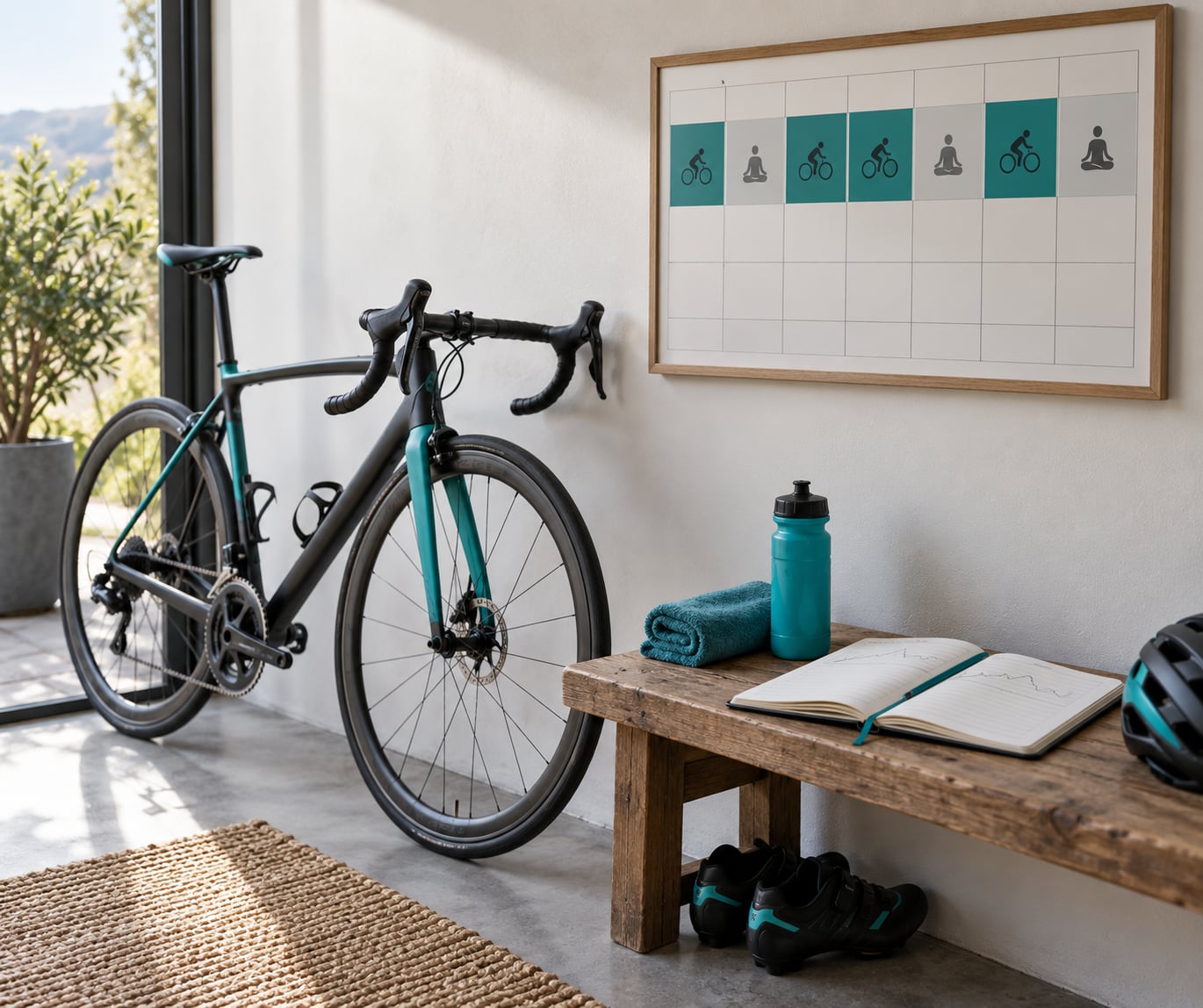
Overtraining is not one brutal week of training. It is what happens when your riding stress stays above your recovery capacity for long enough … Read more
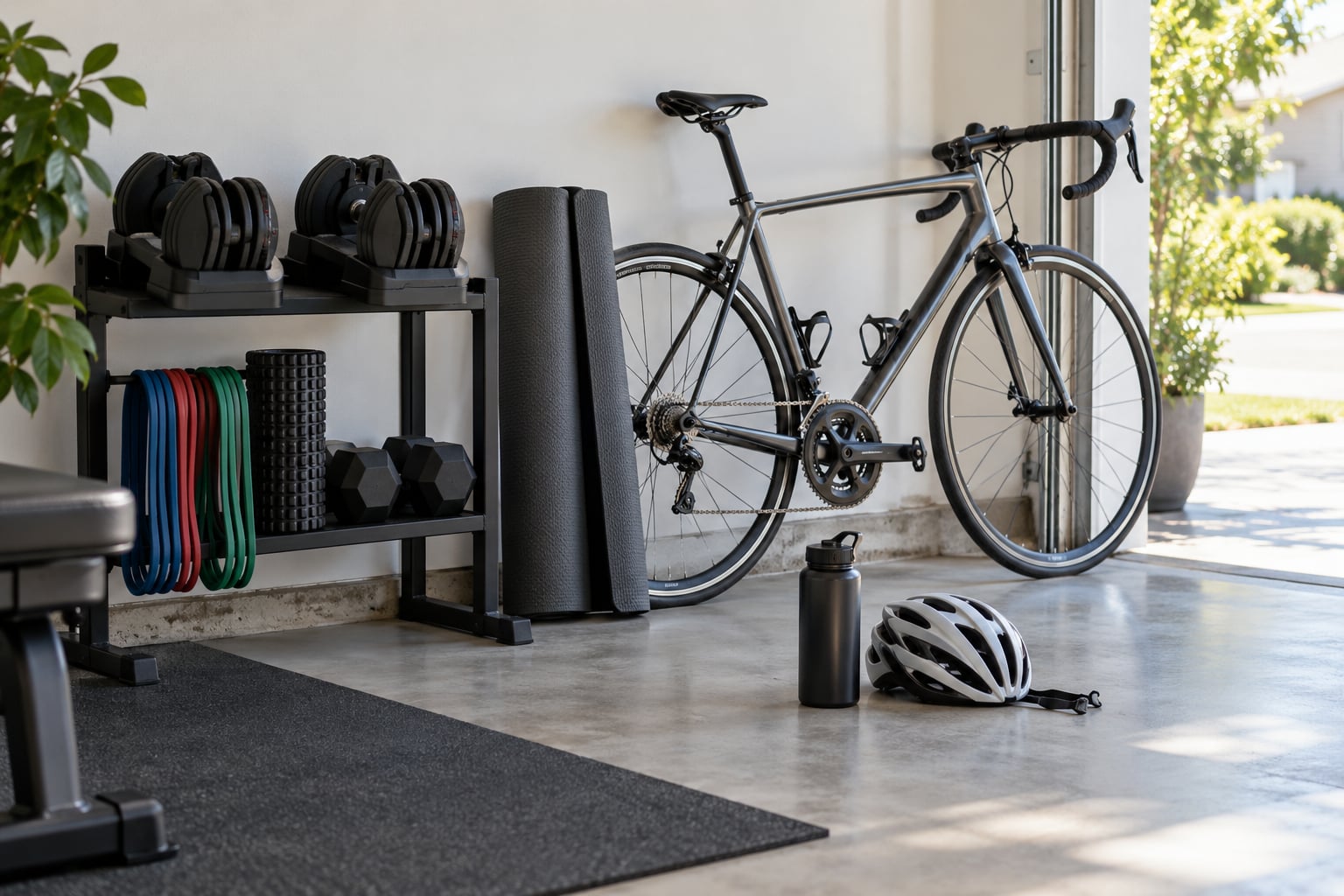
Short answer: yes, but a small amount, and only to support your riding. The question of whether cyclists should lift weights comes up in … Read more
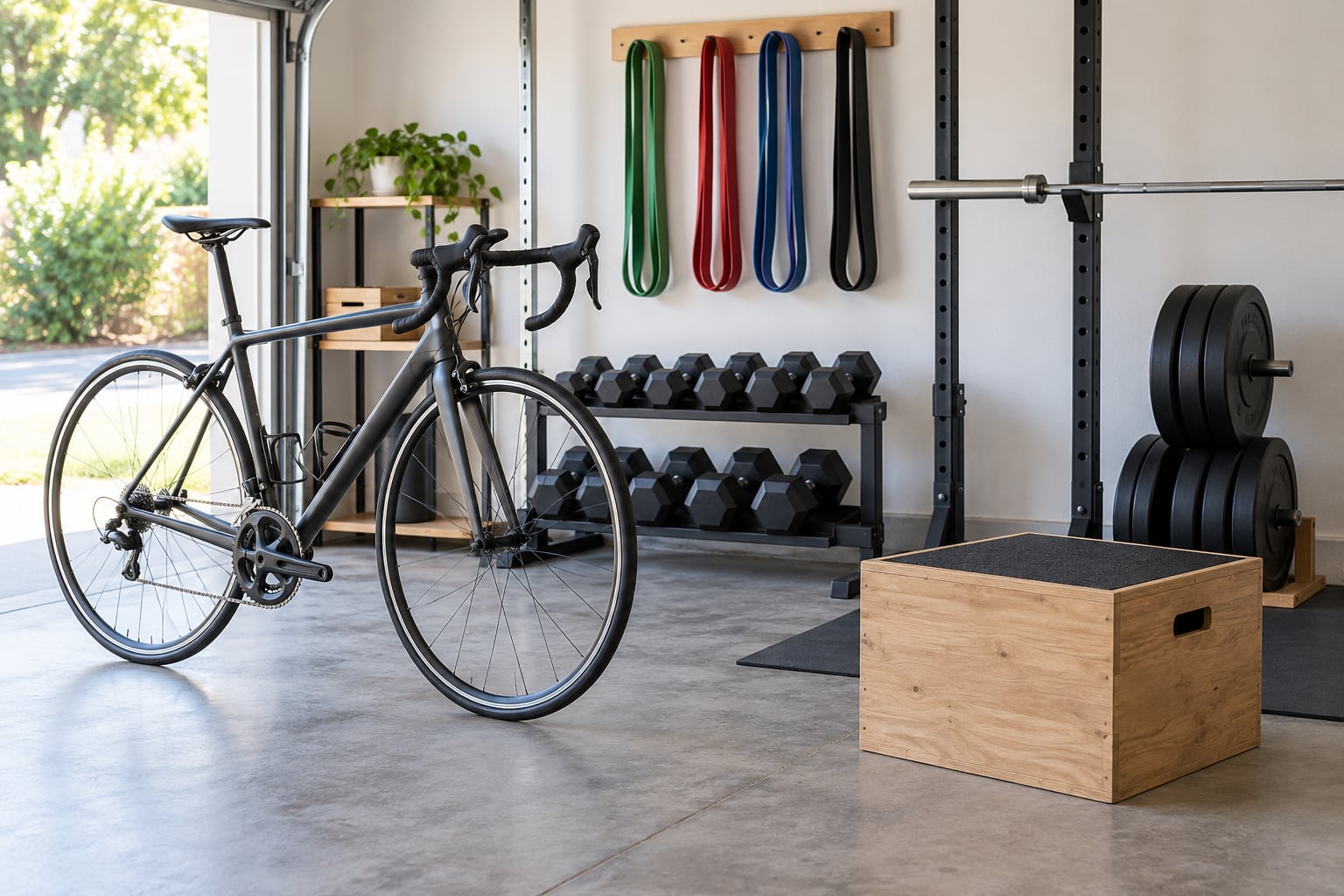
Strength training for cyclists works best as a small weekly habit: two 30 to 45 minute sessions of squats, hinges, lunges, pushes, rows and … Read more
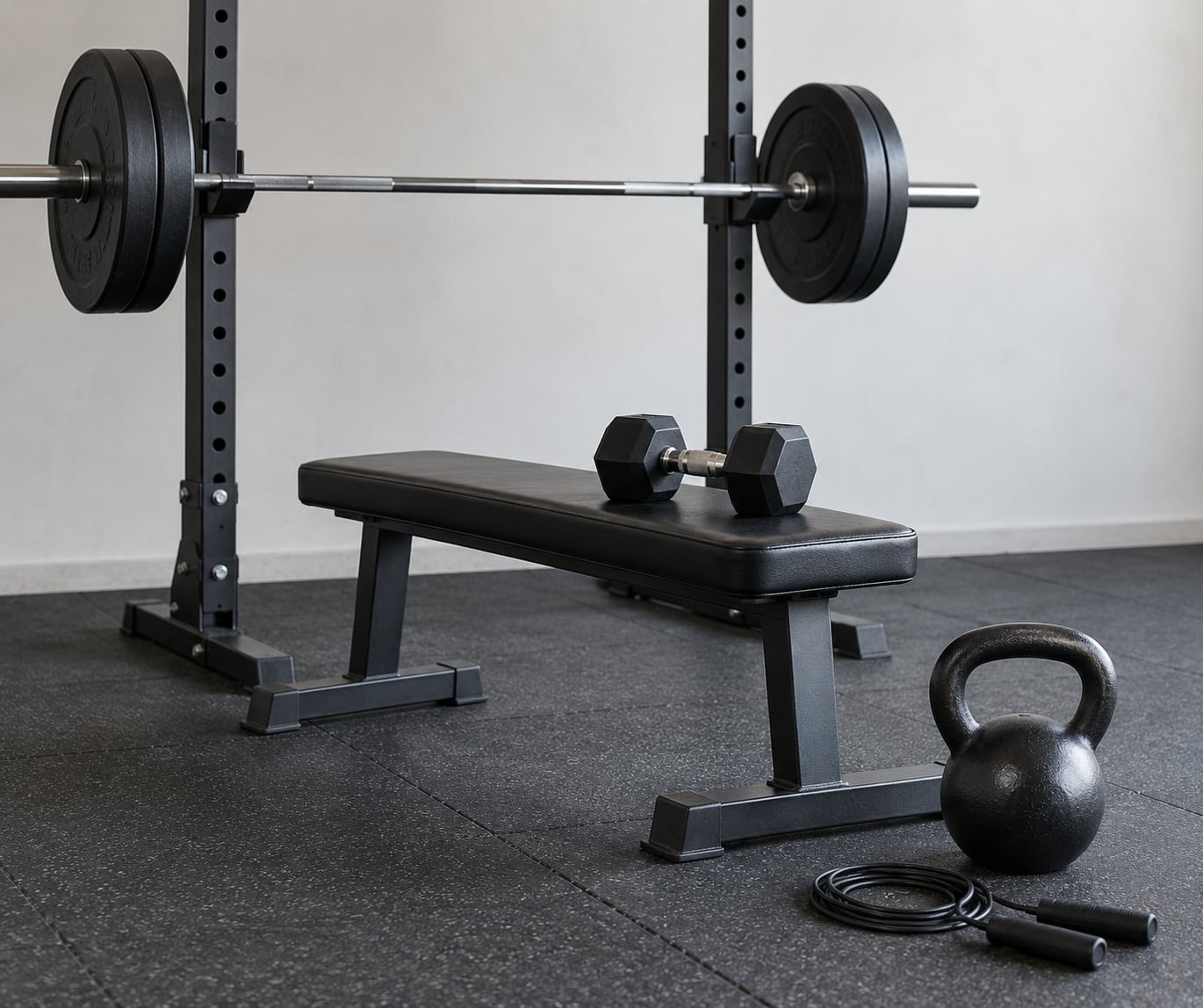
Gym exercises for road cyclists are heavy, low-rep strength and stability movements — squats, deadlifts, split squats, rows, presses and anti-rotation core work — … Read more
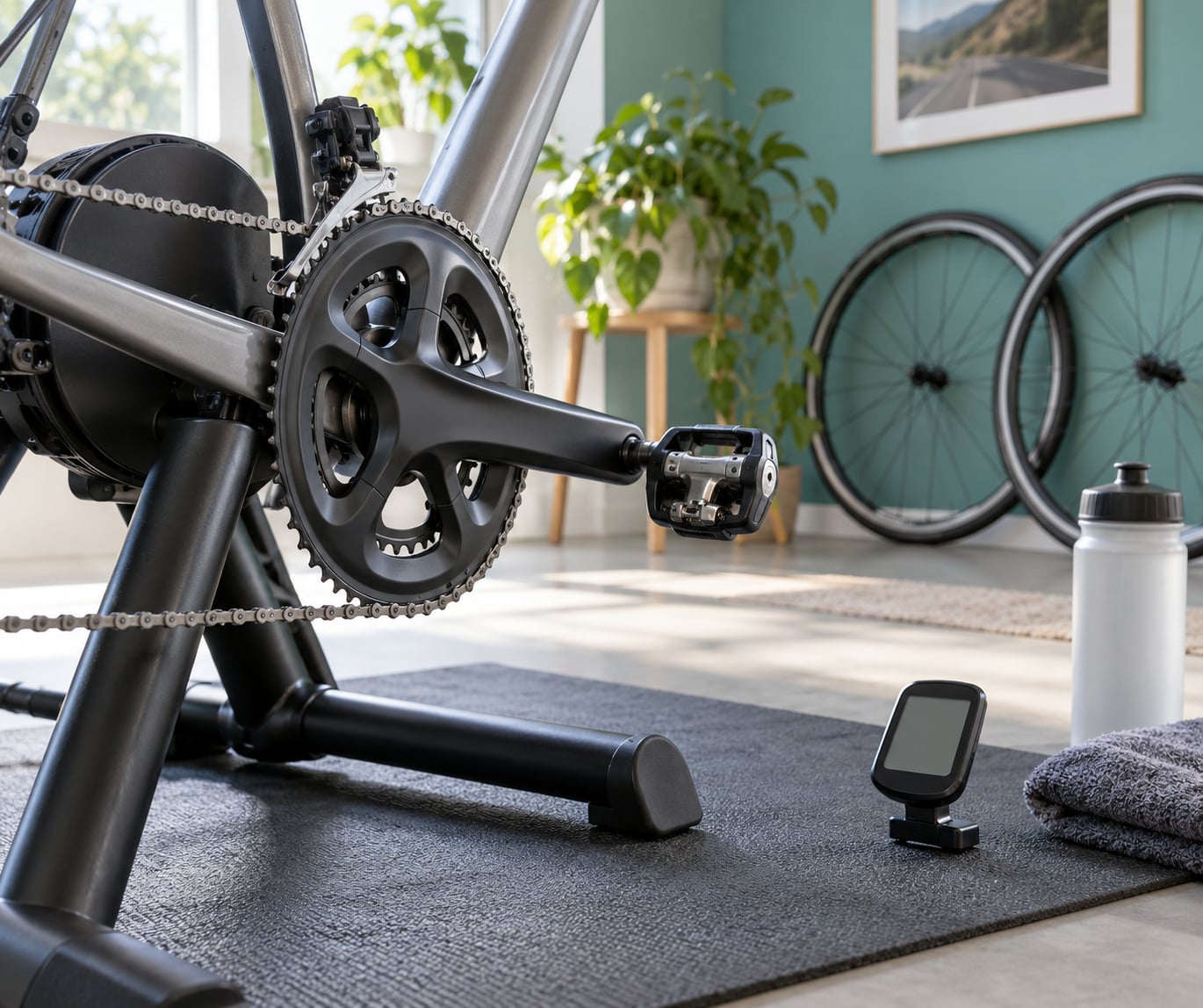
Cadence training for cyclists is simply the practice of riding at a deliberately chosen pedal speed, measured in revolutions per minute, until that speed … Read more

Heart rate zones for cycling are five bands of training intensity, each one a slice of your maximum heart rate. Ride inside a band … Read more