Training Stress Score Explained for Cyclists (October 2026)
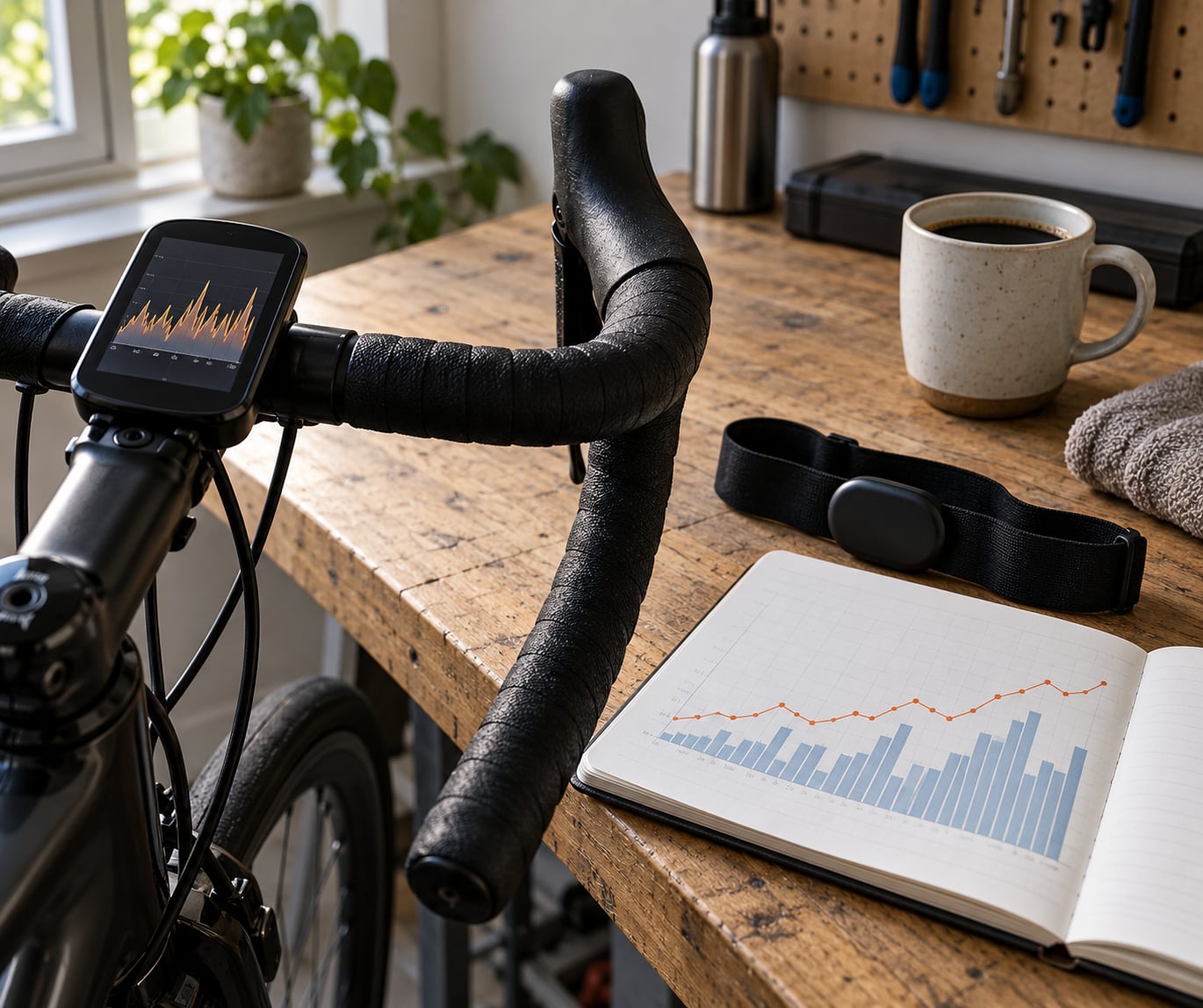
Training stress score is a power-based measure of how hard and how long you rode, scaled against your own threshold power, so one hour … Read more

 Lena Ashworth
Training stress score is a power-based measure of how hard and how long you rode, scaled against your own threshold power, so one hour … Read more
To recover faster between hard rides, treat the 24 to 48 hours after a hard session as part of the training, not as downtime. … Read more

Sleep and cycling performance are linked in ways riders can feel on the bike: less sleep usually means more perceived effort for the same … Read more
The signs of overtraining in cyclists are stubborn: power that drifts down at the same effort, a resting heart rate that will not settle, … Read more
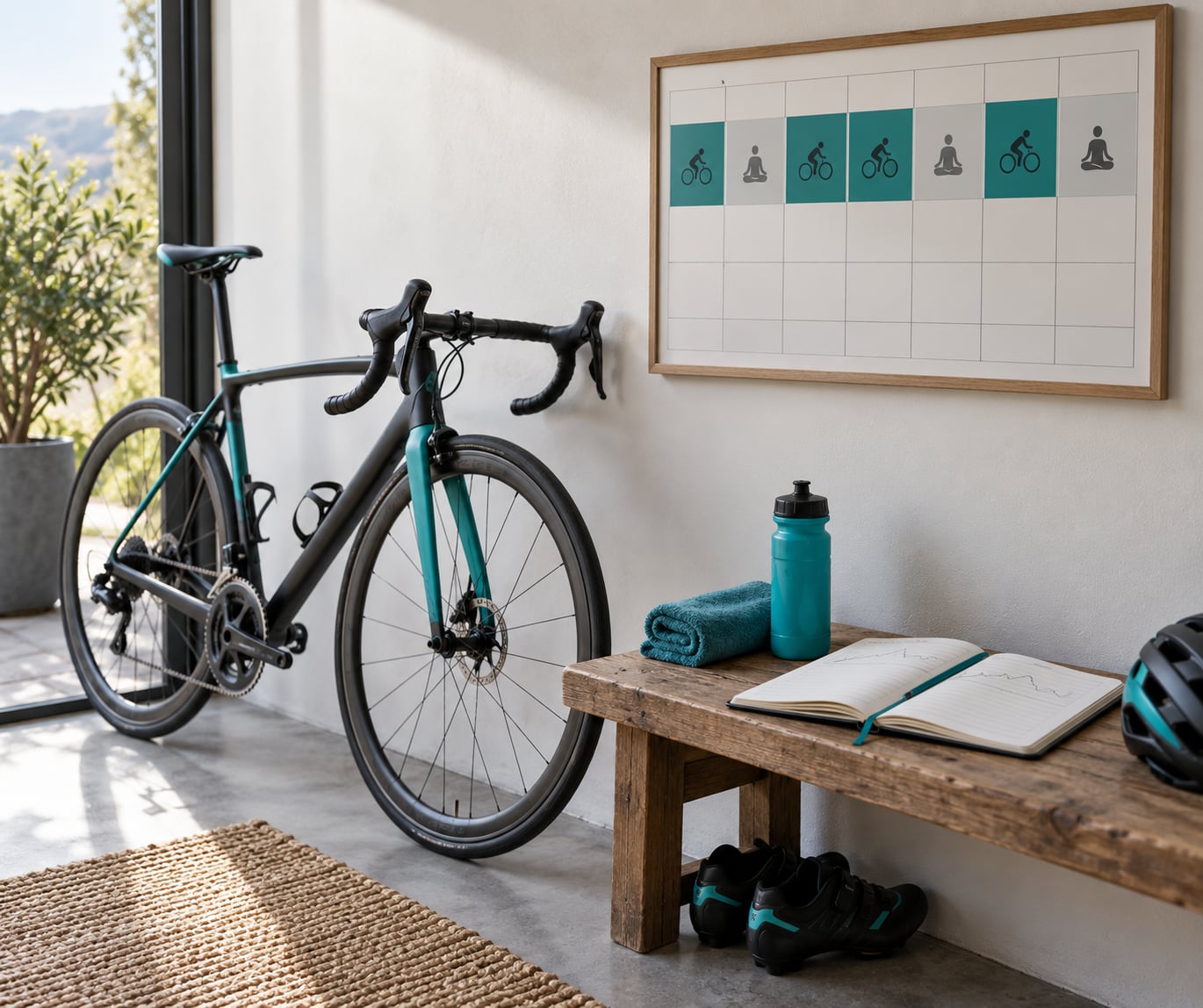
Overtraining is not one brutal week of training. It is what happens when your riding stress stays above your recovery capacity for long enough … Read more
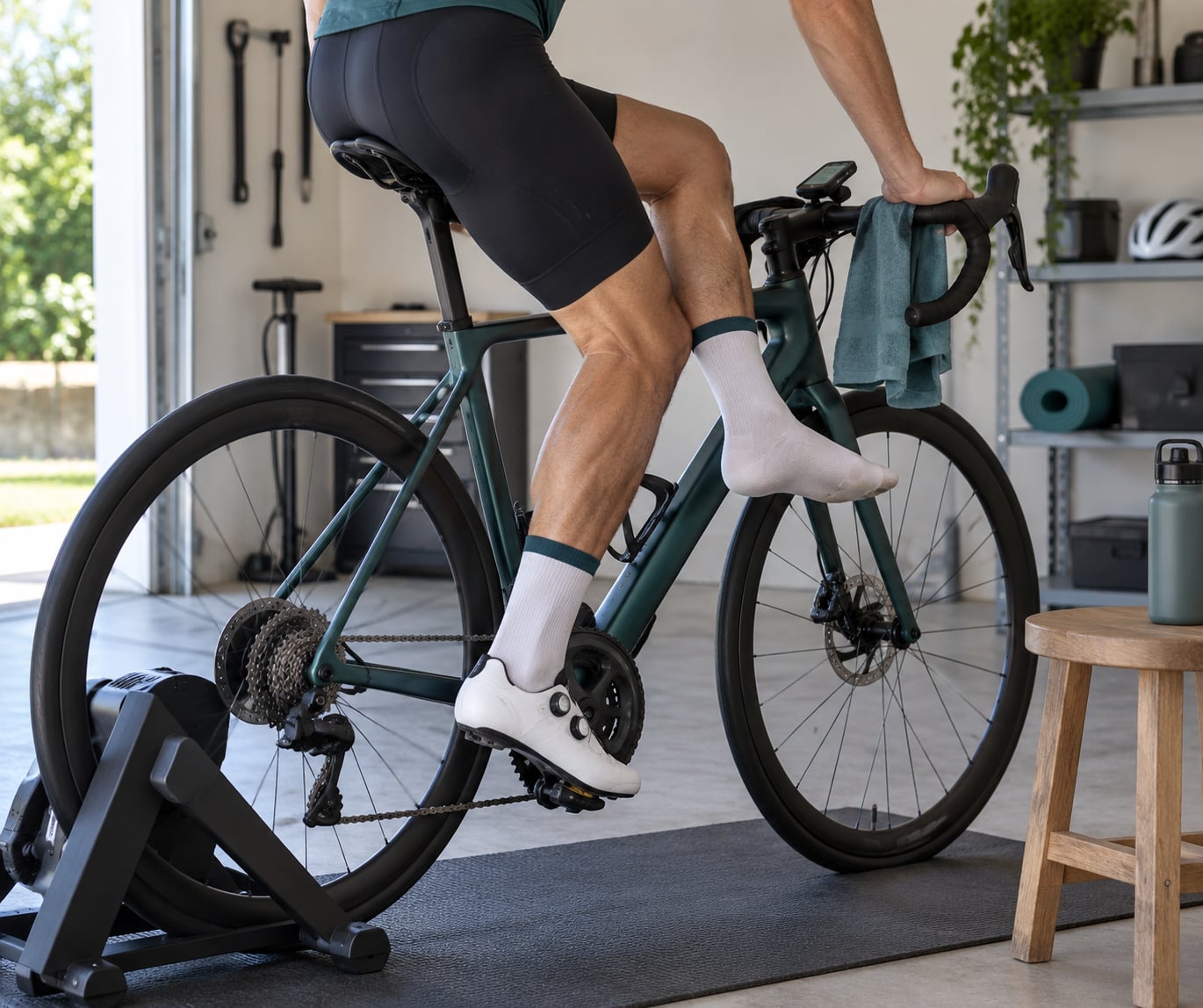
Single leg drills on the bike are short sessions where you pedal with one leg while the other hangs, hovers or rests on the … Read more
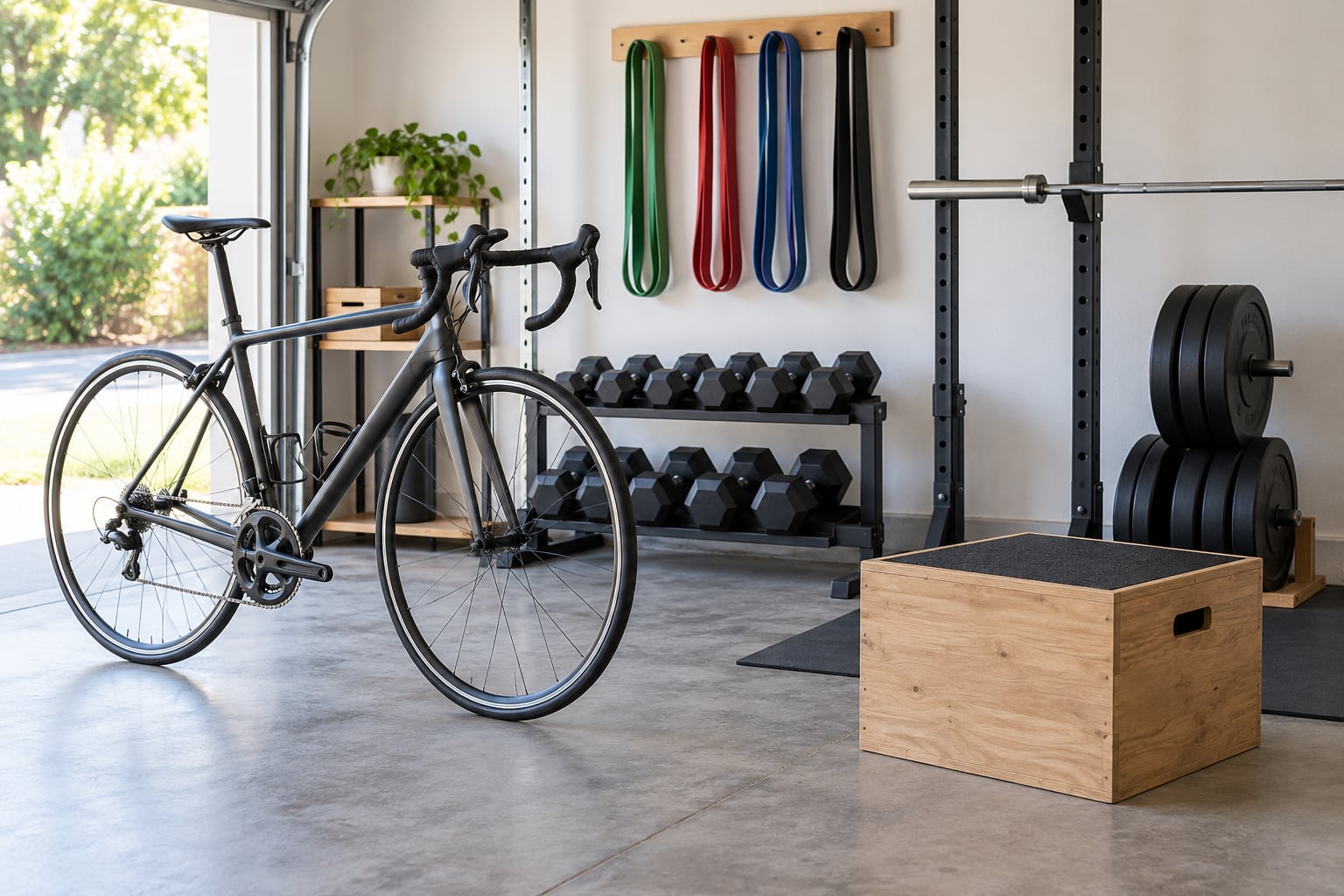
Strength training for cyclists works best as a small weekly habit: two 30 to 45 minute sessions of squats, hinges, lunges, pushes, rows and … Read more
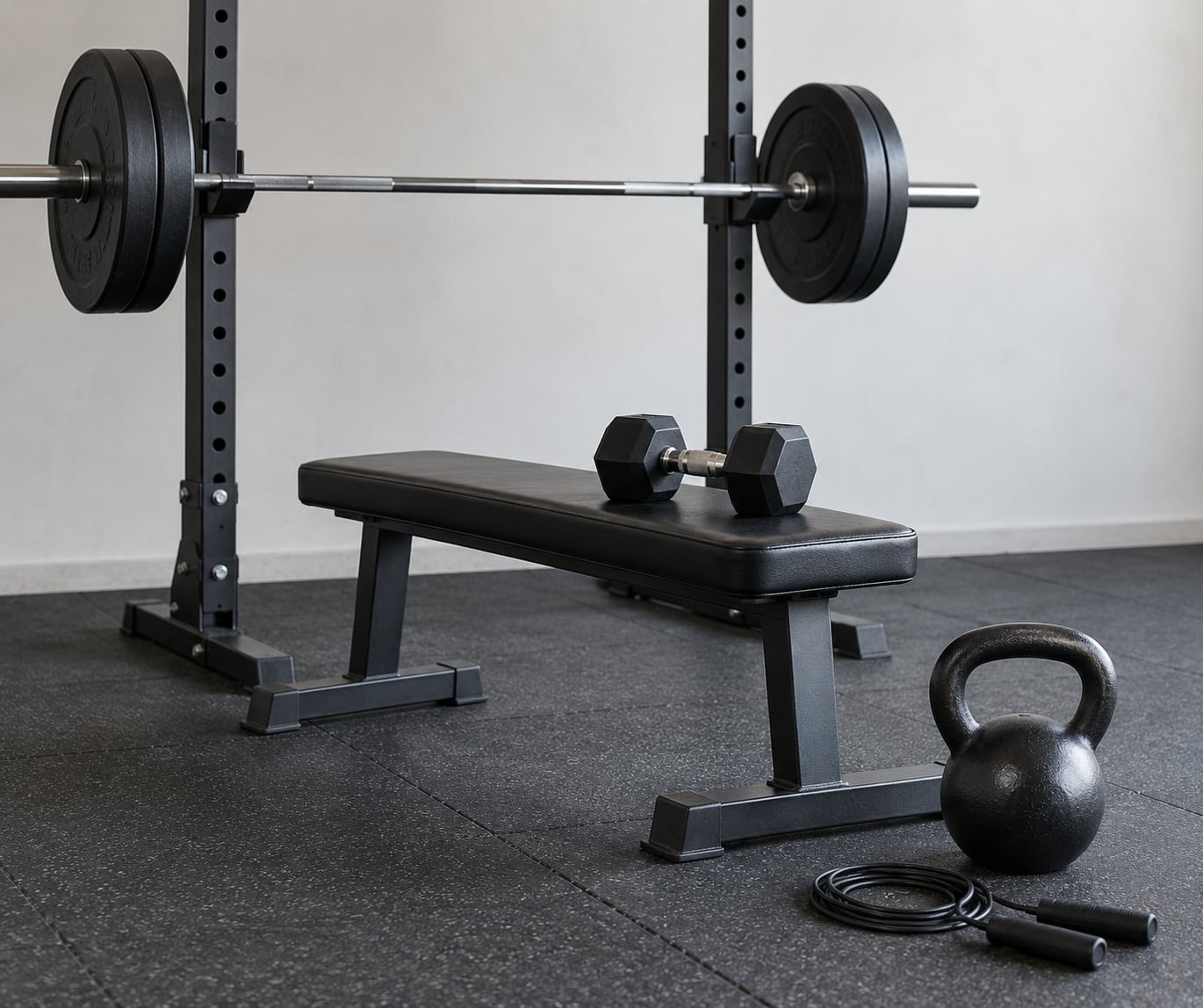
Gym exercises for road cyclists are heavy, low-rep strength and stability movements — squats, deadlifts, split squats, rows, presses and anti-rotation core work — … Read more
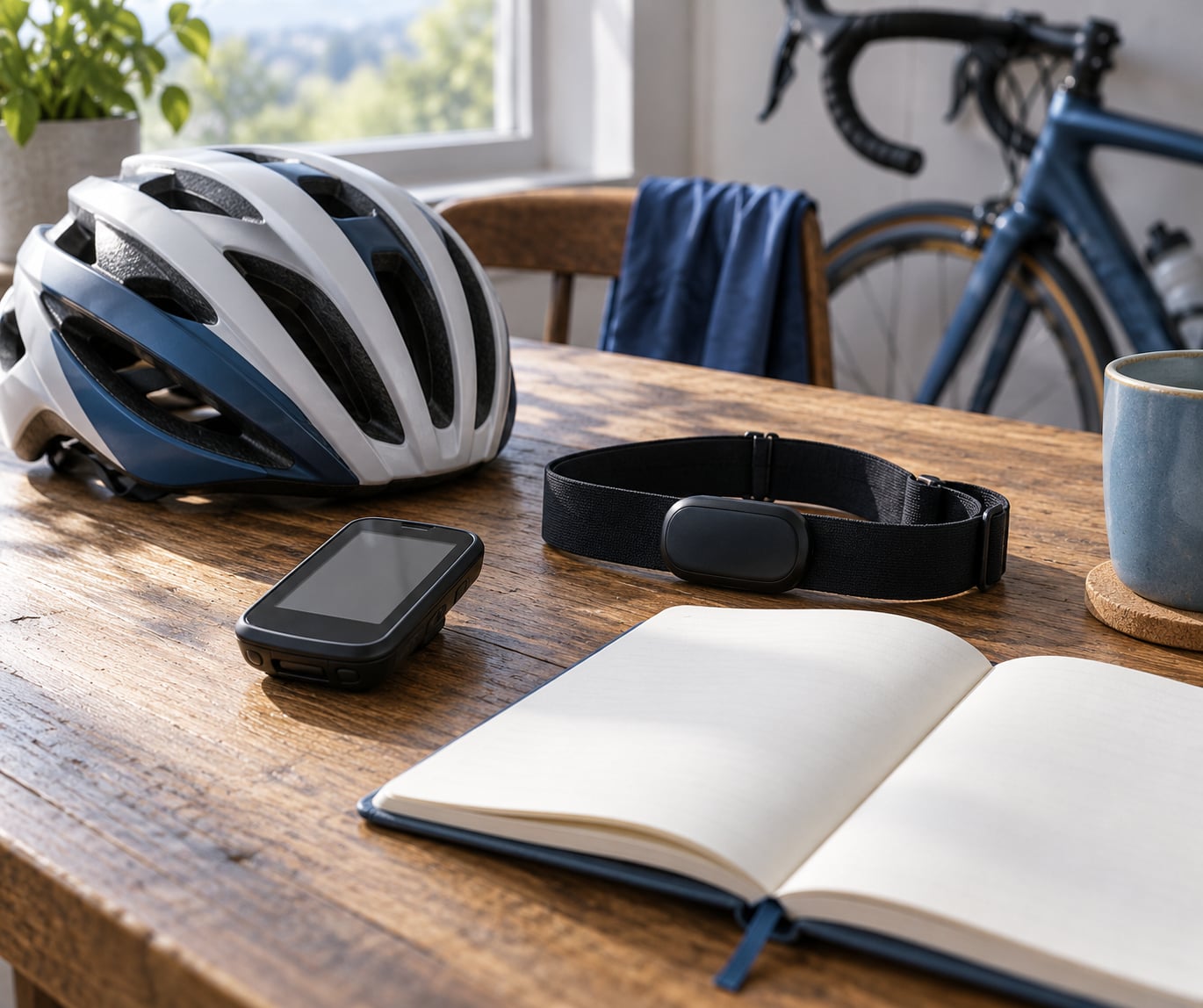
Heart rate zones for cycling are five bands of training intensity, each one a slice of your maximum heart rate. Ride inside a band … Read more
Rate of perceived exertion, or RPE, is a 1 to 10 scale cyclists use to rate how hard a ride or interval feels, where … Read more