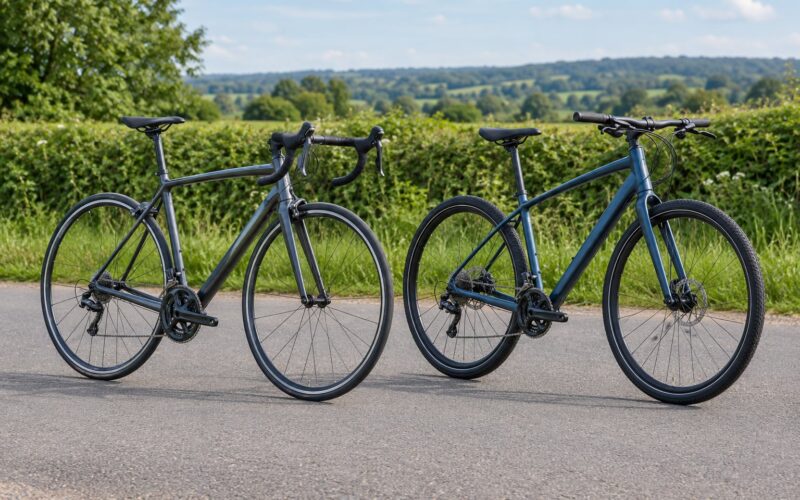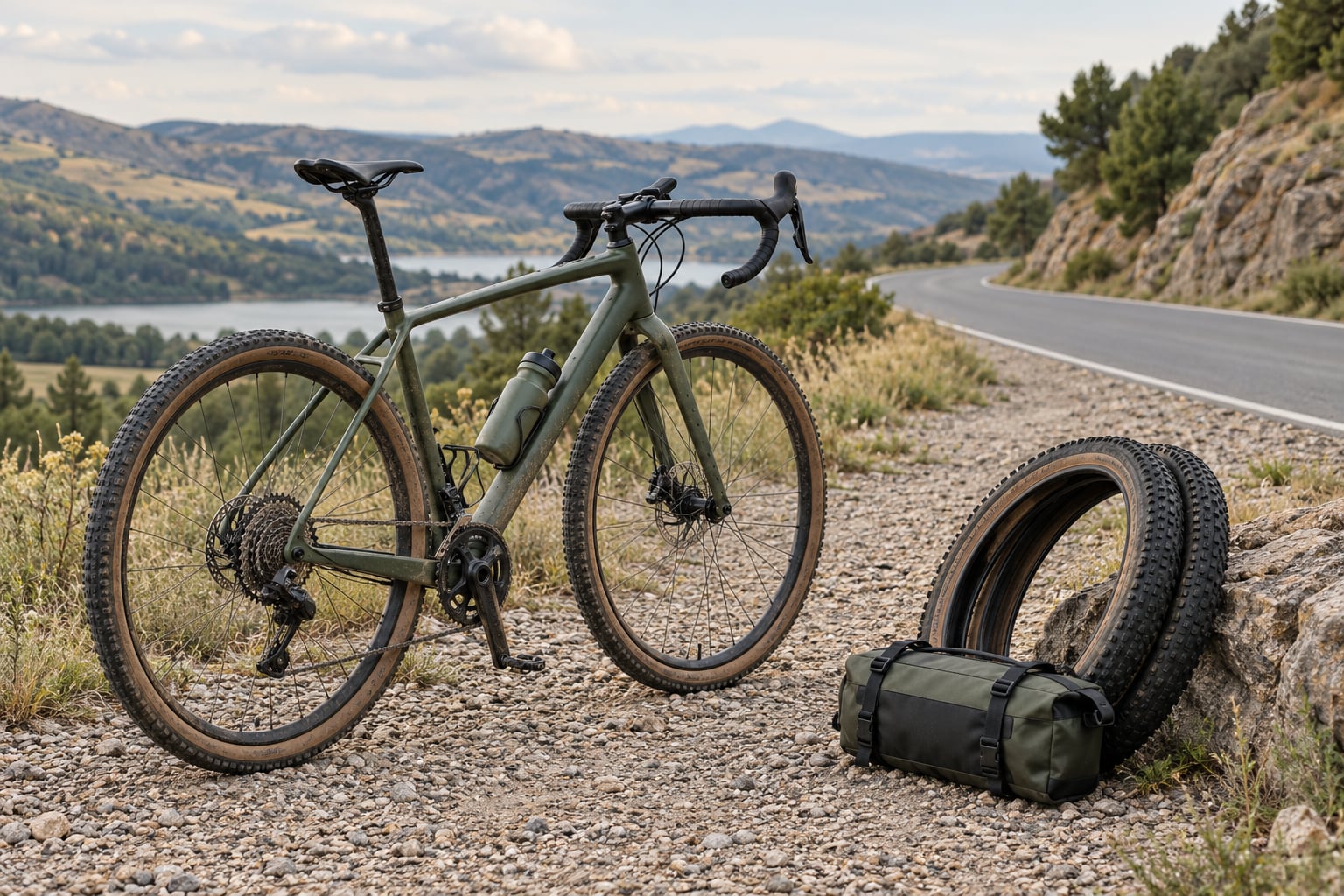
A gravel bike is good for riding mixed surfaces: smooth pavement, rough chipseal, dirt roads, gravel and hardpack, plus the odd stretch of easy singletrack. Wide tyres at lower pressure, a relaxed geometry and drop bars give it road-bike speed with far more comfort and grip when the surface turns loose. It is the category that lets one bike cover the commute, the weekend gravel road and a two-week trip.
The short list, in case that is all you needed:
- Mixed-surface riding: you can join pavement, hardpack and gravel without checking the route first, because clearance for 40mm-plus tyres absorbs what a road bike would rattle over.
- Long-distance comfort: a taller front end and wider rubber soak up road chatter that wears you out over 60 miles of rough road.
- Bikepacking and touring: rack, fender and cargo mounting points let you carry gear without strapping a bag onto a seatpost meant for a laptop.
- All-weather commuting: fenders fit, tyres take punctures well when set up tubeless, and the bike survives the gravel shortcut as well as the cycleway.
- Fitness on poor roads: when your only local loop is cracked chipseal or a canal towpath, a gravel bike makes the same ride far less punishing.
- Winter and shoulder-season training: cold, wet roads with salt damage and standing water are where a gravel bike’s grip and durability pay off.
Table of Contents
- What Is a Gravel Bike Good For?
- Where Gravel Bikes Work Best
- What Is the Difference Between Gravel Bike Types?
- How Tires and Gearing Change a Gravel Bike
- Tyre width and pressure
- Tread pattern
- 1x versus 2x gearing
- Rider position
- How Does a Gravel Bike Compare With Other Bikes?
- The downsides, honestly
- Can You Use a Gravel Bike for Long Road Rides?
- Frequently Asked Questions
- Are gravel bikes comfortable for long road rides?
- Are gravel bikes faster than road bikes?
- Can I use a gravel bike for road racing?
- Is a gravel bike good for touring and bikepacking?
- Should I buy a new or used gravel bike?
- Conclusion
What Is a Gravel Bike Good For?
The point of a gravel bike is tolerance. A road bike asks you to pick clean pavement; a mountain bike asks you to accept that everything is slower than you want. A gravel bike does neither — it takes the road you are on, at a decent speed, with a body position that stays comfortable past a couple of hours.
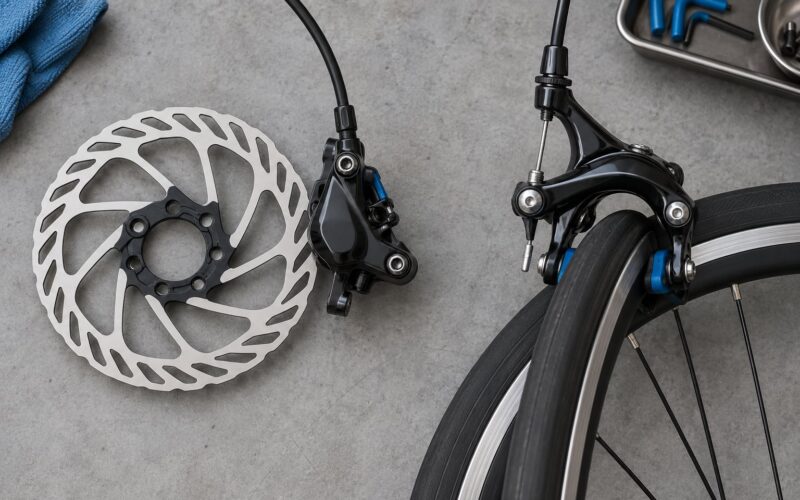
Four design choices do that work. Drop bars give you three hand positions and a lower, more aerodynamic profile on the road. Wider tyres run at lower pressure, so they roll over small stones instead of hitting them, and they grip loose surfaces a narrow slick never would. Geometry sits slightly lower and longer than a racing road bike, spreading pressure across your hands, back and sit bones. Hydraulic disc brakes stay consistent in rain, mud and cold, when rim brakes and cheap pads lose most of their bite.
One rider on r/gravelcycling put it better than I could: it is all about connecting roads, gravel trails and singletrack from your front door. That connectivity is the whole argument. Before gravel bikes existed, the moment you left tarmac was the moment the ride got decided for you.
A forum regular on Singletrack World frames the same idea in numbers — what gravel bikes do best is cover mixed terrain fairly quickly, so plan a 30-40 mile loop rather than a single surface. Speed is still there; it is just no longer the only thing being measured.
Where Gravel Bikes Work Best
The honest answer depends on the surface, and the differences are bigger than most buyers expect. Here is how the same bike behaves as the ground changes.
| Surface | What it feels like | Gravel bike verdict |
|---|---|---|
| Smooth pavement | Fast, quiet, close to a road bike with wide tyres fitted | Excellent, though a road bike holds a lead on long flat tarmac |
| Chipseal and broken tarmac | Vibration through the bars and saddle rather than harsh impacts | The strongest argument for owning one — a road bike gets tiring here |
| Hardpack and fire roads | Fast, quiet, only occasional loose stones | Ideal. This is what wide, lightly treaded tyres are built for |
| Loose gravel and graded roads | Quieter than expected, moderate grip, drifting on corners | Very good with 38-45mm tyres; corner speeds drop, braking distances rise |
| Packed sand | Heavy, squirmy steering, occasional bottoming out | Weak. Lower pressure helps, but you need a wider tyre or a mountain bike |
| Mud and deep ruts | Heavy steering, spray, clanking drivetrain noise | Manageable on firm trails, poor in anything genuinely soft or wet |
| Roots and rock gardens | Bouncing, deflected front wheel, weight shifting forward | Limited. Rideable at moderate pace; riders describe entry-level bikes as shaky until they adapt |
| Technical mountain bike singletrack | Bike and rider weight beyond the tyre’s ability to hold line | Not the right tool. That is a hardtail’s job |
Read that table bottom-up as the limit. Gravel bikes handle surfaces up to and including firm dirt roads; the moment the trail gets steep, narrow and rooty, tyre volume and geometry run out of authority and you need suspension and wider rubber.
What Is the Difference Between Gravel Bike Types?
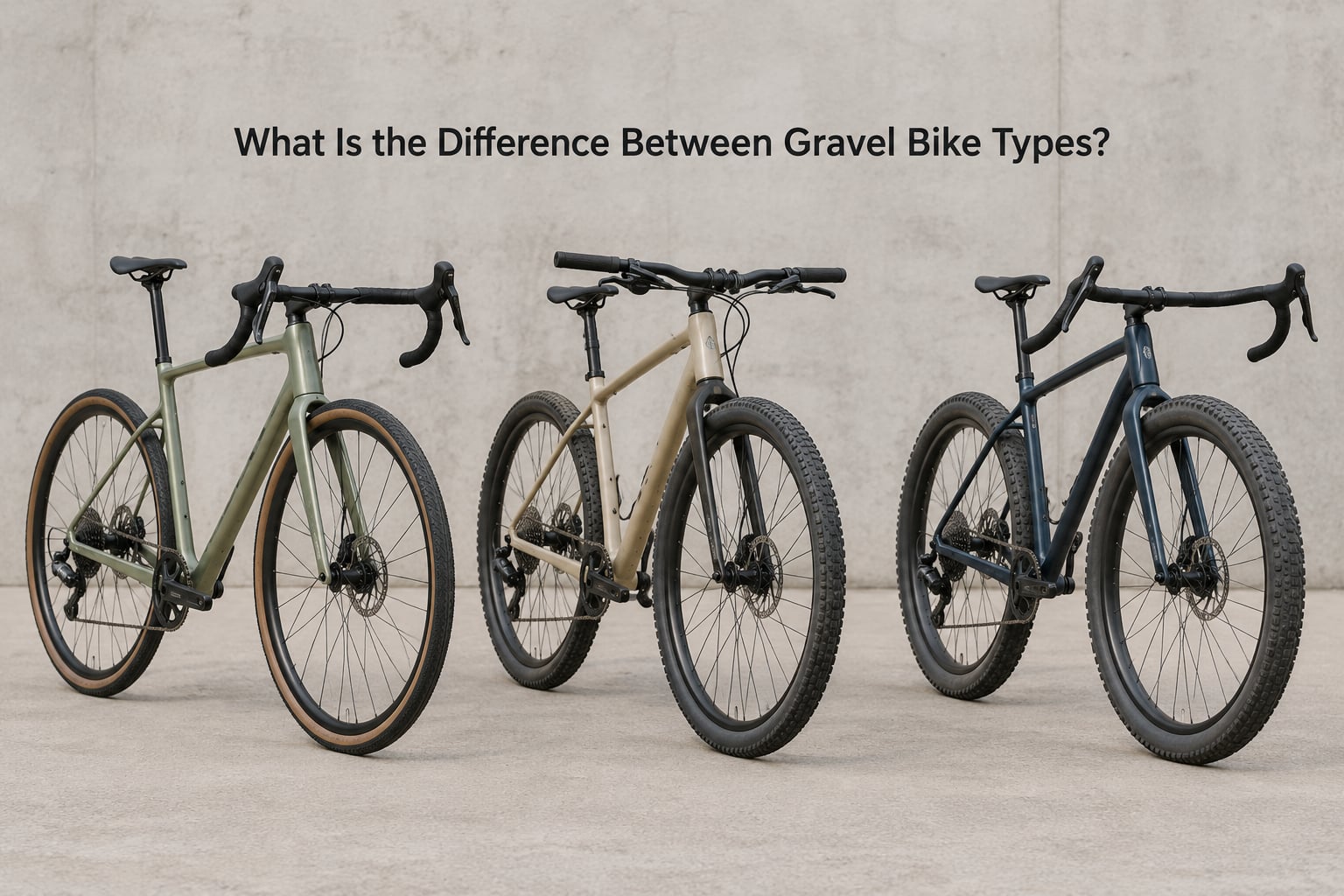
The category used to be one thing. It is now three or four, split mostly by how much carrying capacity and comfort you trade for speed.
| Type | Geometry and bars | Gearing | Tyre clearance | Suspension | Best for |
|---|---|---|---|---|---|
| All-road | Relaxed, drop or flared bars | Wide range, 1x or 2x | Usually 40mm plus | None or minimal fork travel | Commuting, winter riding, fitness on mixed roads |
| Adventure | Long wheelbase, tall stack, flared bars | Very wide range with climbing gears | Often 45mm or more | Optional 20-40mm fork | Bikepacking, multi-day touring, loaded trips |
| Race | Lower stack, shorter reach, aggressive | Tighter ratios, often 1x | Around 40-45mm | None | Gravel racing and fast group rides on dirt |
| Cyclocross-derived | Playful, higher bottom bracket, sharp handling | Close ratios for quick pedalling | Usually narrower, 33-40mm | None | Racing, winter training, light trail use |
That gap has a practical consequence beginners miss. Race builds often arrive with no rack mounts, no fender clearance and sometimes no top tube bosses, so the bike that looks fastest is the one you cannot load a pannier onto. Adventure builds put those mounts on and add cargo options inside the frame, at the cost of a little weight.
How Tires and Gearing Change a Gravel Bike
Two variables decide how a gravel bike behaves more than the frame does: what you run in the tyres, and what you have available in the gears.
Tyre width and pressure
Tyre clearance is the widest tyre the frame and rims allow. Widening tyres at the same pressure changes almost everything — more air volume means you can run lower pressure, and lower pressure means a larger contact patch, more grip and far less impact harshness.
The practical ladder looks like this: 28-32mm for people who ride mostly road and want rolling resistance, 38-45mm as the sensible all-round choice, 45-57mm for bikepacking where load and casing matter more than speed. Riders in one r/gravelcycling thread described the usual entry answer simply — a bike that can do gravel on 40mm.
Pressure is the free part of the setup. Start around the mid-40s psi on 40mm tyres with a roughly 90 kg rider, then adjust: lower for grip on loose surfaces, higher for speed and pinch-flat resistance on hardpack. Tubeless setups take lower pressure reliably because the sealant plugs small holes before you notice them.
Tread pattern
A slick or lightly file-treaded tyre is fast and quiet on packed dirt and hardpack, and slippery in deep loose gravel. Small knobs add cornering bite on loose surfaces and cost a little speed everywhere else. Most riders run one tyre for summer and swap in a knobbier pair for autumn and winter.
1x versus 2x gearing
A 1x drivetrain has one chainring and a wide-range cassette: simpler, no front derailleur to break, and lighter. A 2x setup gives smaller jumps between gears, which some riders prefer for spinning smoothly on pavement.
The common worry is running out of gears on a climb. Check the low gear ratio instead — most modern wide-range cassettes go to around a 40 or 42 tooth chainring with a 51 tooth cog at the back, and many frames accept a smaller ring later. If the lowest gear works on your steepest local climb, everything above it is fine.
Rider position
Stack and reach describe the frame: stack is how high the head tube sits, reach is how far forward it puts your hands. A rider who wants a more upright position than a typical gravel bike should say so at the fitting rather than after owning it — r/whichbike beginners put upright position at the top of their priority list for a reason.
How Does a Gravel Bike Compare With Other Bikes?
| Criterion | Gravel | Road | Hardtail MTB | Hybrid |
|---|---|---|---|---|
| Speed on smooth tarmac | Good | Best | Poor | Fair |
| Comfort on rough roads | Best | Poor | Best | Fair |
| Tyre clearance | 40-57mm typical | 25-35mm typical | 2.3 inch and up | 35-50mm |
| Handling | Stable and calm at speed | Sharp and low | Nimble, upright | Upright and forgiving |
| Rough-surface drivetrain wear | Higher, clean the drivetrain more often | Low | Highest | Moderate |
| Terrain range | Pavement to dirt roads and easy trail | Pavement only | Dirt roads to technical trail | Pavement, bike paths, light dirt |
If your week is 90 percent clean pavement and one group ride a week, a road bike is faster and lighter for almost everything you do. If your routes run over farm tracks, canal paths and roads with chipseal, the gravel bike makes the same effort noticeably more comfortable.
The downsides, honestly
Nobody’s buying guide wants this part, but it is the first question riders search for, so here it is.
- Weight on pavement. Wheels, tyres and wide bars add real kilos. Riders regularly notice the extra effort on long flat tarmac and wonder if they are doing it wrong. They are not; the bike is just built for a broader job.
- Slower on smooth roads. Wider tyres at lower pressure add drag. On a fast group ride with everyone on road bikes, you will be hanging on rather than leading.
- Race builds are hard to load. No rack mounts, no fender clearance, no frame storage means bags strapped to a seatpost or a top tube that was not designed for it.
- Drivetrain and brake wear. Dust and grit wear chains, cassettes and pads faster than road riding does. Budget for more frequent chain replacement and brake service.
- Still not a mountain bike. On technical singletrack, entry-level gravel bikes feel shaky to riders new to loose ground, and no amount of tyre width replaces proper suspension.
- Cost and upgrades. The running costs are higher than a road bike because the tyres are pricier and wear faster, and the frames carry heavier components that take damage more easily.
Can You Use a Gravel Bike for Long Road Rides?
Yes, for almost every road use case — the trade is a small loss of speed for a large gain in comfort, and on rough roads the comfort side usually wins overall.
Fitness and group rides. Comfortable on chipseal loops and winter roads. If your group rides at a fast pace on smooth tarmac every week, a road bike serves you better and you can still own it alongside.
Centuries and long distance. This is where wide tyres at lower pressure pay back the most. A rider who would bail on a rough 100-mile route often finishes comfortably on the same road with 40mm tyres fitted.
Commuting. A very good use, provided the bike has fender mounts and clearance for wide tyres. Add a rack and it handles a rain-soaked week without complaint; skip the mounts and you are back to mudguards held on with cable ties.
Touring and bikepacking. The best argument for the category. Mounting points for racks, frame bags and top tube bags, plus tyre clearance for high-volume casings, are what separate an adventure gravel bike from a race bike.
Winter training. Salt damage and standing water are exactly what wide tyres and hydraulic brakes handle better than a road bike’s 28mm slicks.
The case for a road bike stays strong in one place: sustained speed on smooth, well-maintained tarmac. Riders moving from a road bike to gravel often describe the shift as trading commitment to speed for tolerance of what is actually out there.
Frequently Asked Questions
Are gravel bikes comfortable for long road rides?
Yes, and comfort is the main reason riders move up from 28mm road tyres. A gravel bike lets you run 40-45mm rubber at lower pressure, so road chatter arrives as a hum rather than a series of jolts. Taller front ends also spread pressure across your hands and back. You give up a little speed on smooth tarmac; on rough roads you usually come out ahead.
Are gravel bikes faster than road bikes?
No. On smooth, well-maintained pavement a road bike with narrow tyres and aero wheels will always be quicker, usually by a noticeable margin at racing speeds. The gap narrows on rough roads and on climbs where grip and tyre pressure matter more than aerodynamics. Most riders measure the difference in comfort and control rather than in minutes per hour.
Can I use a gravel bike for road racing?
For club rides, sportive training and gravel-specific events, yes, and plenty of riders do it full time. For competitive road racing on closed circuits, a road bike is still the tool of the job because of aerodynamics, weight and tyre choice. If you are moving from road racing into mixed-surface events, a race-oriented gravel build covers both better than a road bike does.
Is a gravel bike good for touring and bikepacking?
It is one of the best options available, provided you pick the right build. Look for rack mounts, fender clearance, multiple cargo mounting points and clearance for wide high-volume tyres, which are the adventure-gravel features. Race builds usually omit those mounts. Loaded on those mounts, a gravel bike carries a week of gear comfortably over pavement, gravel roads and fire tracks.
Should I buy a new or used gravel bike?
Used is often the better value if you are buying a first gravel bike, since frame cracks are rare and drivetrain, tyres and bearings are the parts that actually need replacing. Check for worn chain, cassette wear and fork stanchion damage, and assume tyres and cables need new. Buy new if you want a known warranty, an exact fit and electronic shifting from the start.
Conclusion
A gravel bike earns its place when your routes are mixed: chipseal to a gravel turn, a paved commute that spills onto a canal path, a road ride that becomes a dirt road after ten miles. It handles pavement through firm hardpack comfortably, and it stops being the right tool somewhere around deep sand, mud and technical singletrack.
Before buying, match three things to your actual routes: tyre clearance at 45mm or more if you ride loose ground, gearing with a low enough bottom gear for your steepest climb, and mounting points if you plan to commute or carry a load. If what is a gravel bike good for means one bike that stops you planning the surface in advance, this is the category that answers it.