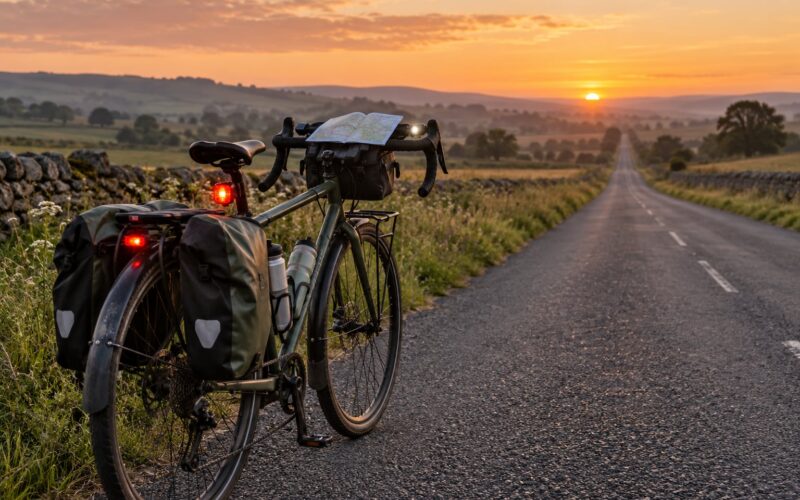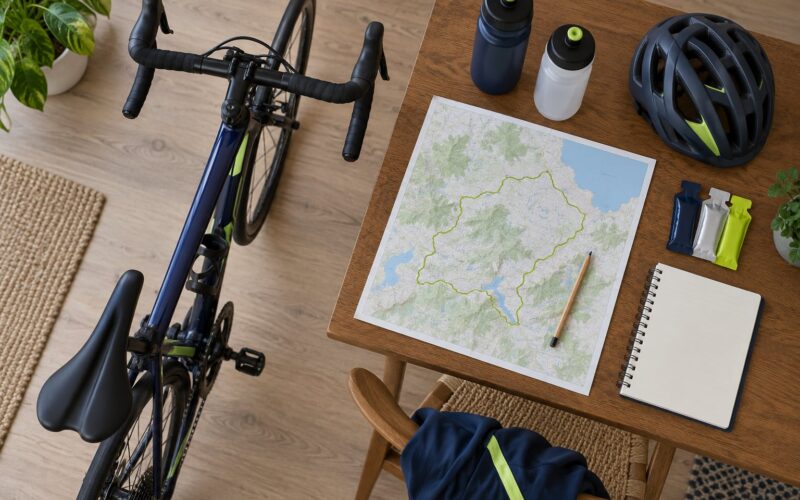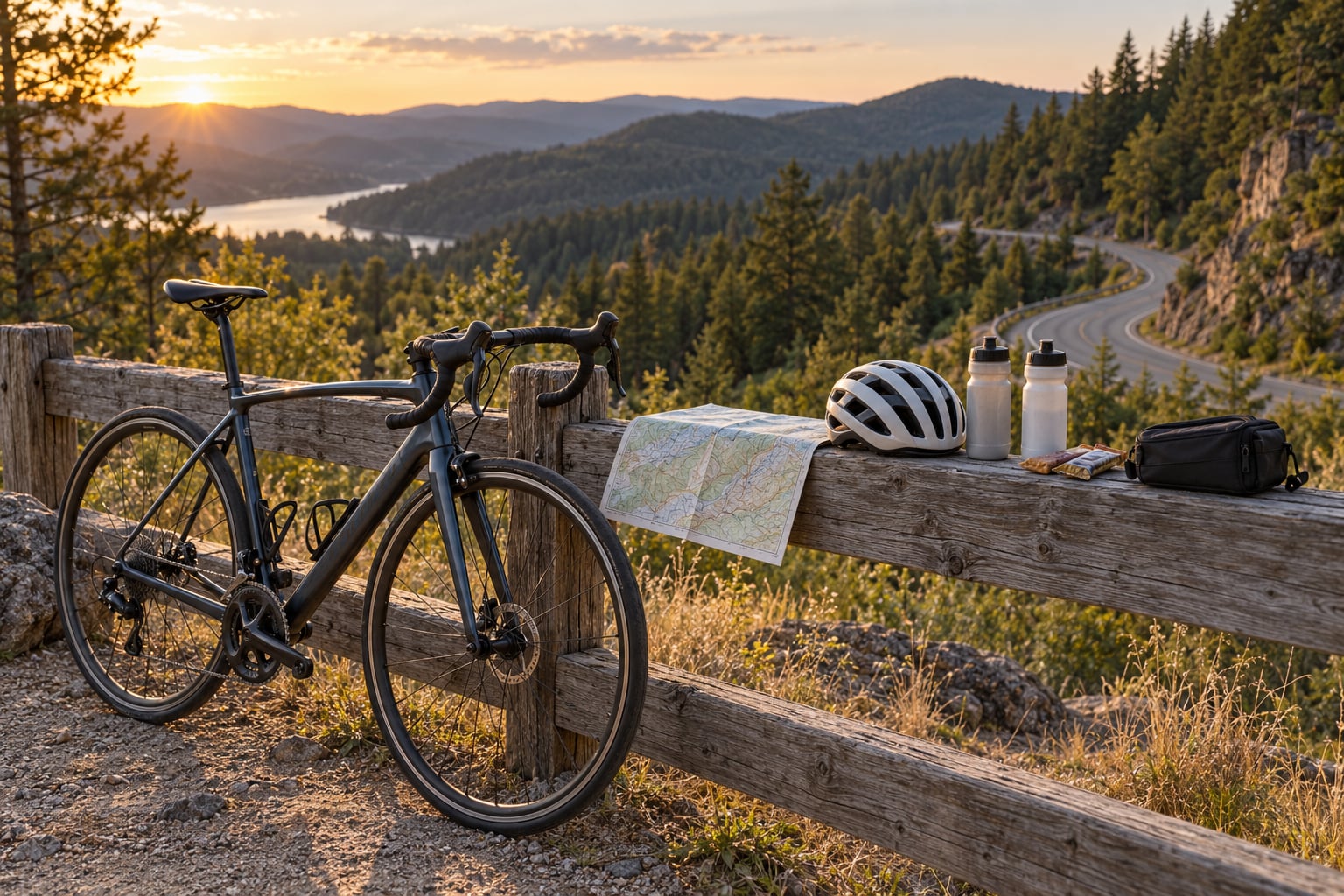
Most riders need about 12 weeks of climbing-specific training to finish a hilly century with energy left over. That is the short version of how to train for a hilly century: build aerobic durability with long rides on hilly ground, add repeatable short efforts on 8-15% gradients, practice eating 60-80g of carbohydrate an hour, then drop volume 30-50% in the final ten days. With eight weeks you can still finish. The hill section is what decides whether you enjoy it or hate it.
A hilly century is 100 miles containing roughly 2,500-3,500m of climbing, and it delivers that climbing as 30-40 short, steep efforts rather than one long mountain pass. Thirty 2-3 minute efforts at 10-15% gradient, repeated for six hours, tax a different system than a flat 100, and flat riding will not train it. Riders who get this wrong usually discover it at mile 70, when they are grinding up a rise with empty hands and a full stomach.
What follows is the plan we ride ourselves and hand to club riders: a baseline, an aerobic base, a climbing block, repeatability work, long hilly rides, a fueling rehearsal, and a taper. If you have less time, the variants at the end compress it. Nothing here is medical advice, and if you have a heart condition, are recovering from injury, or have never ridden this far, talk to your doctor before starting a block this size.
Table of Contents
- What You Need to Train for a Hilly Century
- What counts as required and what is optional
- Gearing is the piece everyone gets wrong
- How to Train for a Hilly Century: Step by Step
- 1. Set a baseline and choose your start
- 2. Build an aerobic base without ignoring hills
- 3. Build the climbing block from 12+ weeks out
- 4. Add race-specific hill repetitions
- 5. Complete your longest hilly rides
- 6. Rehearse pacing and fueling together
- 7. Sharpen, taper and ride the event
- Common Mistakes
- 1. Jumping volume too fast
- 2. Training every ride hard
- 3. Climbing harder than your current fitness allows
- 4. Ignoring descents
- 5. Underfueling
- 6. Treating the longest ride as the only test
- 7. Tapering too abruptly or too late
- Training tips for different time horizons
- Frequently Asked Questions
- How many weeks should I train for a hilly century?
- How many miles should I ride each week while training?
- Can I train for hilly centuries without regularly climbing real hills?
- How hard should my hill sessions feel during century training?
- What should I eat and drink during a hilly century?
What You Need to Train for a Hilly Century
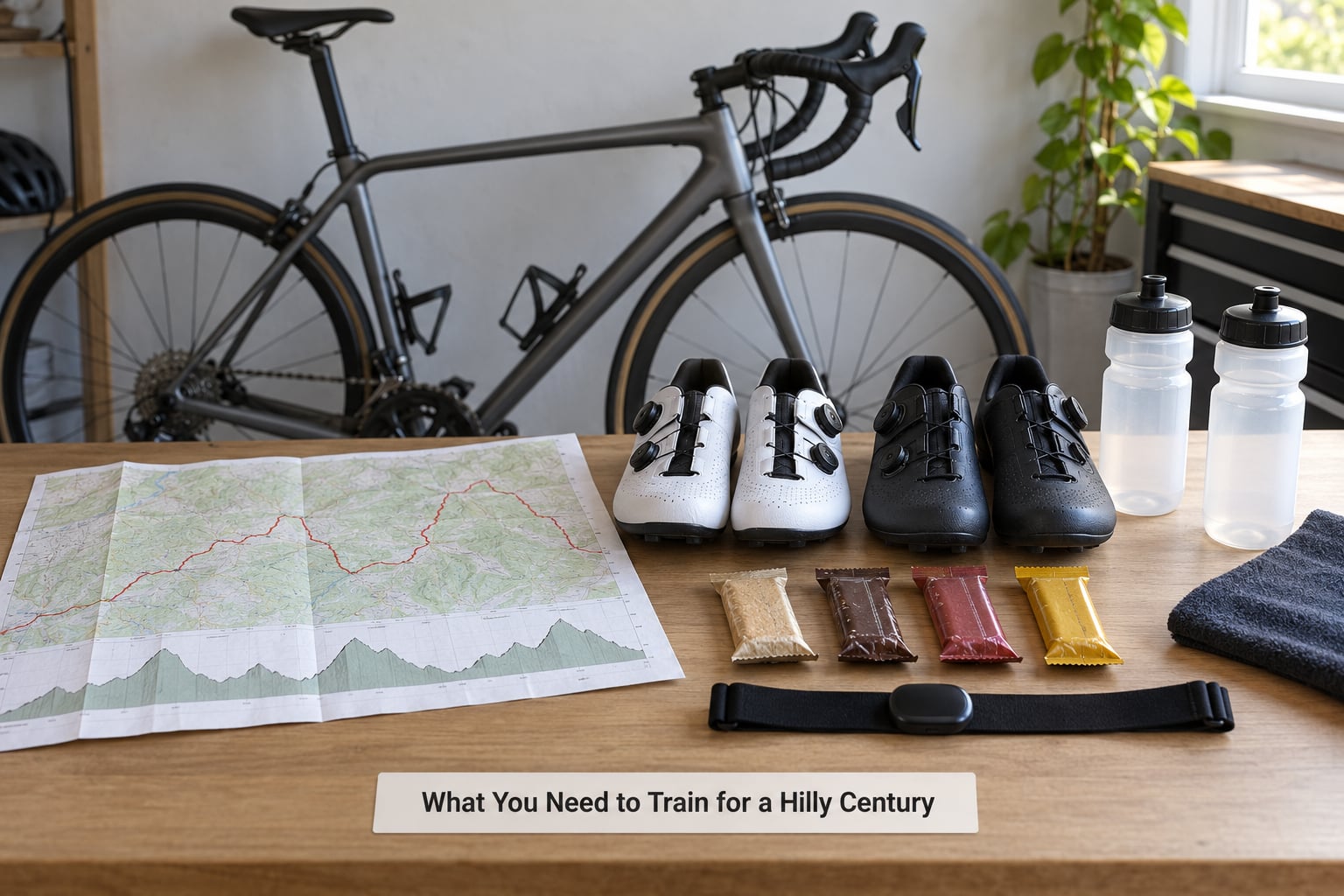
Before week one, you need three things that cost nothing: the event’s elevation profile, an honest picture of your current weekly volume, and a fixed date to work backwards from. Everything else is equipment or a time budget.
What counts as required and what is optional
| Item | Required or optional | Why it matters |
|---|---|---|
| Event elevation profile | Required | Shows total climbing, gradient distribution and where the wall sits |
| Reliable road bike with a wide enough gear range | Required | Determines whether you can hold cadence on the steep sections |
| Two pairs of cycling shoes | Required | Rotate them so a 6-hour day is not 6 hours on one pair |
| Two to three bidons plus a refill plan | Required | 500-750ml an hour, planned rather than felt |
| Training food you will actually eat | Required | 60-80g of carbohydrate an hour from a timer, not hunger |
| Weather layers, including a windproof shell | Required | Hills expose you to conditions a flat ride never does |
| Power meter | Optional | Makes hill-repeat targets precise; RPE works without one |
| Heart-rate monitor | Optional | Useful for long-ride control, unreliable as a sole guide uphill |
| Indoor trainer | Optional | Covers repeatability work and bad-weather weeks |
| Two spare bottles and a saddle bag | Optional | Mechanical and food failures on remote climbs are common |
Gearing is the piece everyone gets wrong
The most repeated question on cycling forums for this event is not training at all. It is gearing. A compact 50/34 chainset with an 11-32 cassette gets most riders up an 8-12% gradient at a usable cadence; an 11-34 covers steeper pitches and riders who weigh more or ride tired.
Test it honestly before the build. Find a 15% gradient, ride it while genuinely fatigued, and ask whether you can hold your self-selected cadence of roughly 70-80 rpm. If you cannot, you need a lower gear, not more fitness. Riders on CyclingForums reach the same conclusion: go one gear lower than you think you need and carry a bail-out gear.
For scale, 400 feet of climbing over one mile is an 8-12% gradient, which is roughly 6-9 minutes at 200-300W. Use that to translate your event profile into repeatable sessions.
How to Train for a Hilly Century: Step by Step
1. Set a baseline and choose your start
Write down four numbers honestly: your typical weekly hours in the saddle, your longest continuous ride, your comfort with riding on consecutive days, and how a 10-minute climb at 8% feels right now. That snapshot is your starting line, and it is more useful than any fitness test you could take tomorrow.
Then count backwards from the event date. Twelve weeks suits riders who already ride three or four days a week and can handle a build. Sixteen weeks suits riders coming back after a break or adding a day. Twenty weeks is for first-timers, older riders who recover more slowly, and anyone adding load to an already busy life.
Whatever version you pick, build weekly volume by no more than 10-15%. That progression, paired with a proportional increase in elevation gain, is the method riders in r/cycling describe most often, and it is the one that survives contact with a real calendar.
2. Build an aerobic base without ignoring hills
Base work is three to four-hour rides where hills are completed at conversational effort, not skipped and not attacked. You want a pace where you can speak in short sentences and still finish the ride with something in reserve.
A sample three-week progression for a rider starting at 12 hours a week: week one, 13.5 hours with a three-hour hilly long ride; week two, 15 hours with a 3.5-hour ride that includes 1,500m of climbing; week three, 13 hours with the same long ride held at the same effort. Week four is a recovery week, not a step back in fitness.
| Zone | Power | Heart rate | RPE (1-10) | Feels like |
|---|---|---|---|---|
| Zone 1 recovery | Below 55% FTP | Below 81% max | 2-3 | Easy spin, full conversation |
| Zone 2 endurance | 56-75% FTP | 81-89% max | 3-4 | Steady, hills at this effort |
| Sweet spot | 76-90% FTP | 90-94% max | 5-6 | Comfortably hard, short sentences |
| Threshold | 91-100% FTP | 95-100% max | 7-8 | Hard, few words |
| Hill repeats | 90-100% FTP | Do not chase HR | 8-9 | Hard on a steep gradient |
The 75% rule fits here: build your longest training ride to roughly 75% of the event’s expected duration. It removes the temptation to cram 6 hours into a 5-hour workout. What improvement should feel like by week three is simple, the hills arrive sooner in the ride rather than feeling later, and your breathing settles within a few minutes of each pitch.
3. Build the climbing block from 12+ weeks out
Once the base holds, add climbing-specific work while keeping most of your volume easy. One hard session a week, occasionally two, is plenty. Everything else is Zone 2 riding that happens to take place on hills.
Here is a sample climbing-block week for a rider with roughly 14 hours available:
- Tuesday, 90 minutes: steady endurance with three 10-minute sweet-spot efforts separated by 10 minutes easy. RPE 5-6.
- Thursday, 60-75 minutes: endurance on rolling terrain, deliberately including short pitches. RPE 3-4.
- Saturday, 4-5 hours: rolling endurance on the hilliest route you have. No surging, no coasting. Aim for 1,500-2,500m of climbing and hold Zone 2 the whole way.
- Sunday, 2-3 hours: back-to-back ride, deliberately easy, to teach your legs what hour three feels like.
- Plus 20 minutes twice weekly of core and stability work off the bike: side planks, dead bugs, hip flexor and hamstring work.
If you only ride three days a week, keep Saturday as the long hilly ride, convert one weekday into a 45-60 minute hill or sweet-spot session, and add short 20-minute indoor efforts before work when you can. Most riders manage this version without losing the qualities the plan is trying to build.
4. Add race-specific hill repetitions
This is the session that most closely resembles the event. Thirty to forty repeated efforts, six hours apart, is a repeatability problem more than a fitness problem, which is why five-minute power relative to your FTP predicts hilly success better than FTP alone.
A standard set: find a 10-15% gradient, ride 3 minutes at 90-100% of FTP, spin easy for 3 minutes, repeat. Run 3-5 repetitions in the first block, and stop the set when your cadence drops more than about 10 rpm or your RPE climbs past 9. Gear selection matters: shift down before the pitch so you begin in a comfortable gear rather than grinding through the first minute.
On an indoor trainer, set the gradient to 10-12% and follow the same on-off pattern; resistance changes matter less than holding the effort. Signs the session is too hard include failing to hit the target on repetition one, needing extra recovery time that grows through the set, and being unable to hold your position in the group afterwards.
Out of the saddle is a legitimate tool on gradients under about 8%, but on steep repeated pitches the seated spin is usually more efficient and costs your legs less. Save the standing for the steep bit and the wobbles.
5. Complete your longest hilly rides
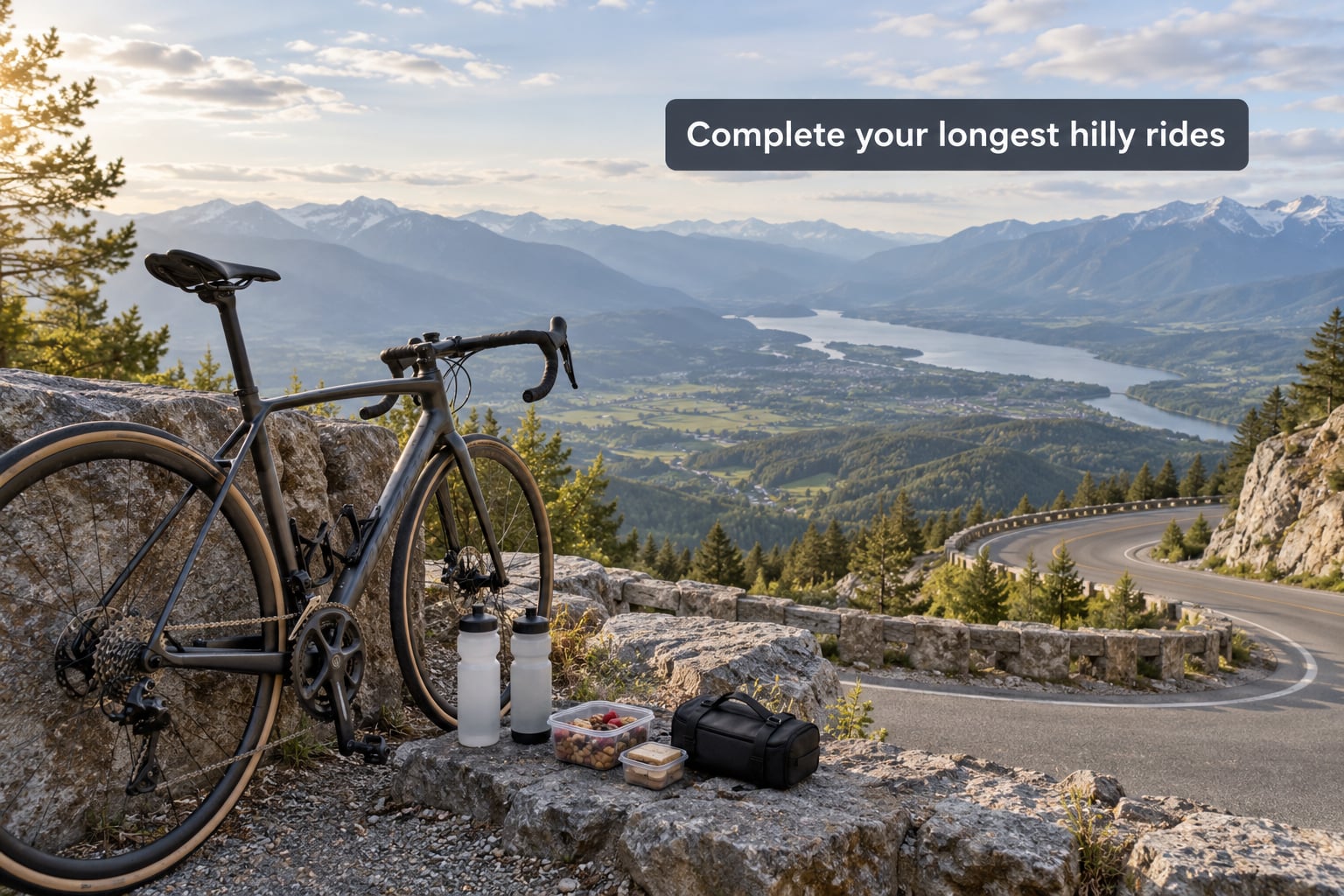
Get to five to seven hours total across a weekend, not one heroic push, and use those hours to test everything you plan to rely on. You are rehearsing gear, fuel, hydration and your own pacing, not chasing a number.
Conservative hill pacing is the whole trick. Sit at Zone 2 through the first 30 miles even when the group surges away, hold your line through descents rather than attacking them, and eat on a timer from the first 45 minutes whether or not you are hungry. Riders who blow up in the second half almost always surged early.
Descending deserves real training time. A hilly century generates 30-40 descents, not the two or three a flat-century guide implies. Practise corner entry speed, look through the corner, weight the pedals on the flat sections, and stay off the brakes when the road is wet. Progress slowly on the first descent of any new route and check the braking before committing.
Use these long rides as mechanical tests too. Carry the spares you plan to carry, run your actual bottles, and confirm that your saddle bag and layers are where you can reach them without stopping for long.
6. Rehearse pacing and fueling together
Climbing is where fueling fails, because effort rises while speed drops and riders stop eating. Plan the intake rather than waiting for it.
- Carbohydrate: 60-80g an hour, built up gradually across training weeks. Above 90g an hour on a single transportable source, a glucose-fructose mix helps.
- Fluid: 500-750ml an hour, adjusted for heat. Drink on a schedule rather than by thirst.
- Timing: begin eating early, around 45 minutes in, and take something on every climb before mile 80.
- Before the ride: a normal breakfast with carbohydrate 2-3 hours out, topped up closer to the start if needed.
- In cold conditions: appetite drops while the burn stays high. Eat on the timer, which is when cold-weather bonking at mile 60-70 comes from.
Practice your personal intake range on long rides so event day is familiar, not experimental. If you have diabetes, a gastrointestinal condition or any history of disordered eating, get individualized guidance from a doctor or registered dietitian instead of following a generic gram target.
7. Sharpen, taper and ride the event
The final two weeks are for freshness, not fitness. Cut volume 30-50%, keep a little intensity so you do not feel flat, and stop trying to gain anything in the last seven days. BikeForums riders land on the same conclusion: heavy training in the final week buys you little and costs you a lot on the day.
Week out, your longest ride should be 90 minutes to two and a half hours with a few short climbs, then nothing long. In the last three days, short spins, easy walking, normal meals, consistent sleep, and no new supplements or fit changes. Change nothing mechanical this week that you have not run in training.
A short checklist: tires and pressures checked, chain lubricated and worn-chain checked, bottles filled and labelled, food packed for the full duration plus a spare, two pairs of shoes if you have them, layers packed, routes and cutoff times saved offline, emergency contact and event details on your phone.
| Miles | What to do | Effort |
|---|---|---|
| 0-30 | Settle in, stay in the group if it is moving at your pace, eat on the timer | Zone 2, RPE 3-4 |
| 30-70 | Hold steady through the rolling climbs, do not respond to surges unless you have the legs for it | Zone 2, RPE 3-5 |
| 70-100 | Shorten your effort, eat more often, stay smooth on descents | Below Zone 2, RPE 2-4 |
If you arrive far fitter or far less fit than expected, the plan does not change much. Extra fitness means you can hold a steadier pace in the middle section. Less fitness means dropping the group early, riding your own line, and banking time before the first categorized climb instead of trying to hold on.
Common Mistakes
1. Jumping volume too fast
Adding 30% mileage in a week is the fastest way to a sore, flat, unmotivated rider by week four. Cap increases at 10-15%, and put a recovery week every fourth week even when you feel fine.
2. Training every ride hard
Most training hours should sit at Zone 2. The polarized 80/20 idea is simple and useful: roughly 80% of your riding easy, 20% genuinely hard. Riders who train every session hard arrive at the event without the durability the last 40 miles require.
3. Climbing harder than your current fitness allows
A 10-minute climb at maximum effort teaches you nothing useful and costs you two days. Cap hill efforts at RPE 8-9 and back off the moment your cadence collapses or your breathing becomes ragged.
4. Ignoring descents
The event has 30-40 descents and most training plans ignore them. Practise corner technique, wet-road braking, and controlled speed on the steepest descent you will meet, before the day matters.
5. Underfueling
Bonking at mile 65 is usually a planning failure, not a fitness failure. Eat 60-80g an hour from the first 45 minutes, including during climbs, and test the exact products you will carry.
6. Treating the longest ride as the only test
One 100-miler tells you very little about fueling or pacing because you will race it at the end. The 75% rule exists for this reason, and back-to-back weekend days teach late-ride fatigue far better than one long outing.
7. Tapering too abruptly or too late
Cutting volume 70% two weeks out leaves you flat and unfocused. A 30-50% reduction over the final 10 days, with a short sharpening ride 5-7 days out, keeps you responsive.
Training tips for different time horizons
Under 12 weeks: keep it simple. Two easy-to-moderate sessions plus one long hilly ride a week, with hill repeats every other week, gets most of the benefit. Drop volume in week four, race-shape in week eight, taper after that.
Four to six weeks: this is panic training and it is worth doing. Hold current volume rather than increasing it, put every long ride on the hilliest terrain available, add one hill-repeat session weekly, and go long once, around 75% of expected event time.
More than six months: start with the 20-week route. Add an aerobic block first, build a real climbing foundation, and race a shorter hilly event in the middle if one fits your calendar. A spring tune-up ride is the cheapest confidence you can buy.
Weak climbers: gearing and repeatability fix most of this. Spend two sessions per week on short efforts with full recovery, ride in a group where the pace is controlled, and never let a climb finish above RPE 9 in training.
Strong endurance bases: if you already ride four-plus hours comfortably, shift the emphasis. Fewer easy miles, more climbing-specific work, and more practice with fueling under real fatigue.
Only three days a week: make one of them the long hilly ride and never move it. Add a 45-60 minute hill session and one short weekday indoor effort. Consistency in three sessions beats scattered activity in six.
Trainer-only weeks: set the gradient to 10-12% and run the same 3-on, 3-off hill set. Do one long steady session with a couple of five-minute surges to keep the duration habit intact.
Frequently Asked Questions
How many weeks should I train for a hilly century?
Plan on 12 weeks for most riders who already ride three or four days a week. Sixteen weeks suits riders returning from a break or adding volume gradually, and 20 weeks fits first-timers and riders who recover more slowly. With only four to six weeks left, hold your current volume, put every long ride on hilly terrain, and taper properly rather than trying to cram fitness in.
How many miles should I ride each week while training?
Distance matters less than hours and elevation. Build weekly hours by no more than 10-15% a week, add climbing in roughly the same proportion, and make sure the long ride reaches about 75% of your expected event time. A rider covering 150-200 miles a week with real climbing is well prepared; 90 miles of flat riding is not, however the hours add up.
Can I train for hilly centuries without regularly climbing real hills?
Partly. Indoor trainer work set to a 10-12% gradient can cover repeatability and climbing effort, and an indoor session can replace one outdoor ride in bad weather. But cornering, descending, group pacing and fueling on a real gradient are outdoor skills, and at least one long ride per week on actual hilly road is the part riders miss and regret.
How hard should my hill sessions feel during century training?
Hill sessions should sit near 90-100% of your FTP, which is a hard 8 or 9 out of 10, with full recovery between efforts. The goal is repeatability, not a maximum. Stop the set when your cadence drops noticeably or your effort climbs past 9. Keep all other riding at conversational effort so the hard sessions stay genuinely hard.
What should I eat and drink during a hilly century?
Aim for 60-80g of carbohydrate an hour and 500-750ml of fluid, starting about 45 minutes in and eating on every climb. A glucose-fructose mix helps once intake passes about 90g an hour. Practice your exact products on long training rides first. Cold weather suppresses appetite while the burn stays high, so set a timer and eat anyway.
Start this week, not on Monday of week one. Book the event, find the elevation profile, run the 15% gradient gearing test on a fatigued afternoon, and pick the Saturday you will protect for the long hilly ride every week until the taper. Do those four things and the rest of the plan follows fairly well on its own.