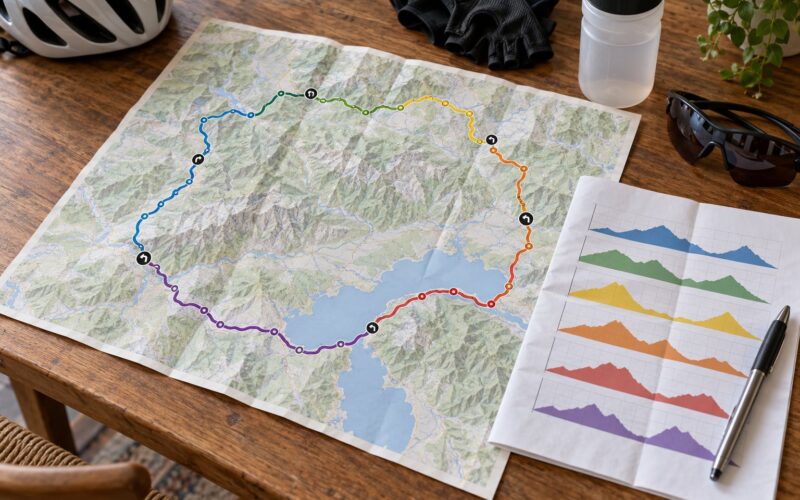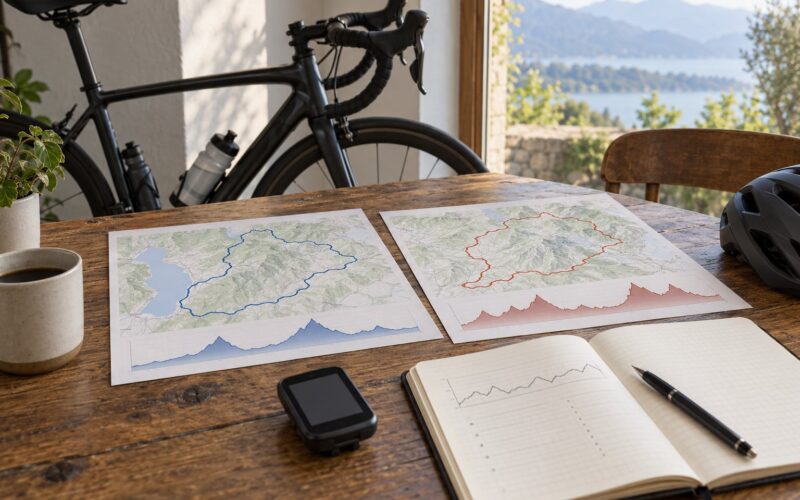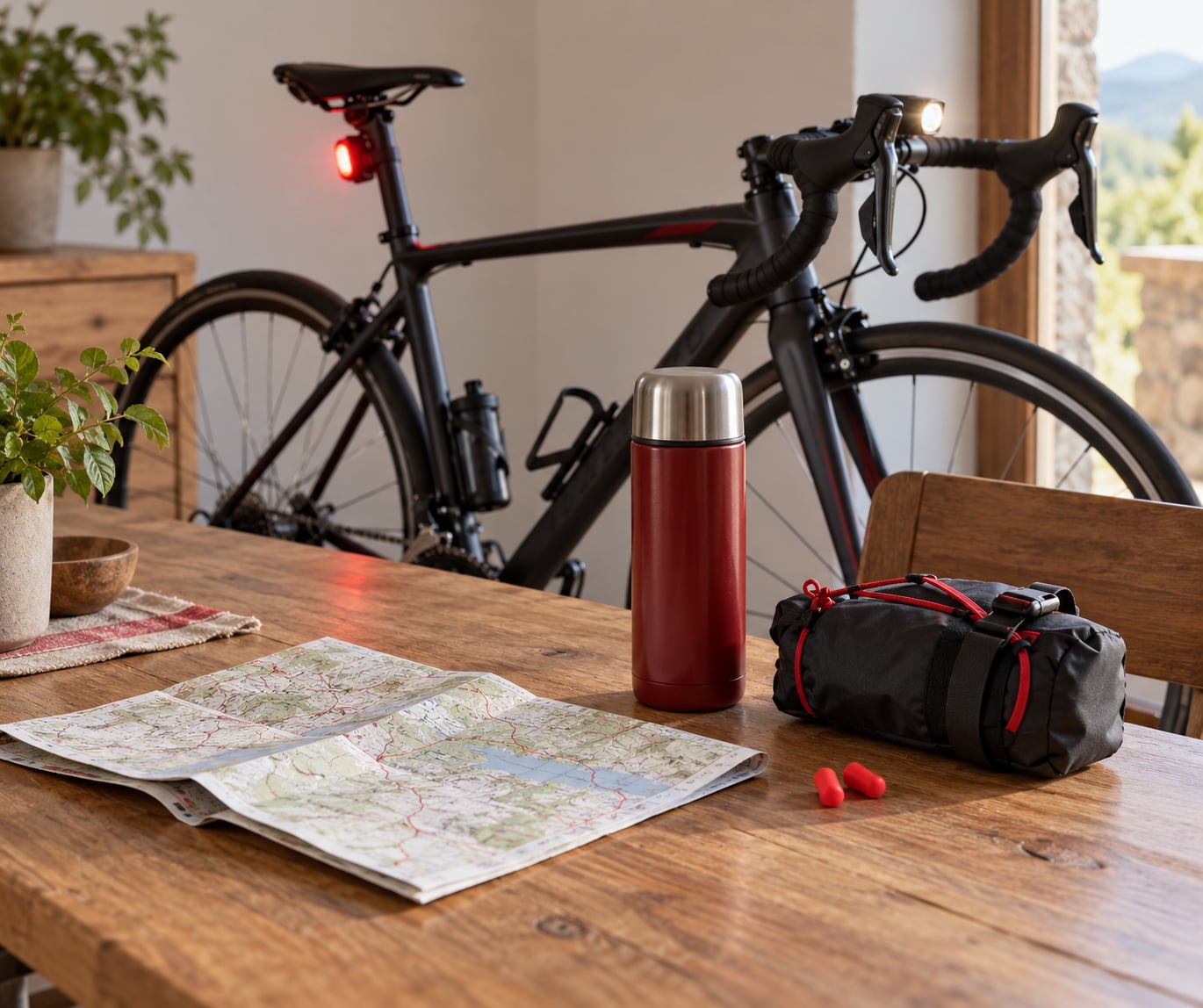
If you have to know how to handle sleep deprivation on ultra rides, the honest answer is that you manage it by changing the ride, not your mindset. Cut the distance, drop the pace, refuel on a schedule, take short purposeful stops, and set hard criteria for calling it finished before you roll. Riders who handle it well are not tougher than the ones who crash; they decided earlier, while they were still making good decisions.
This is about decision-making under fatigue, which is a skill in itself. Nobody learns it in one weekend, and the 3 a.m. version of you is not the person reading this at a kitchen table on a Tuesday afternoon.
Table of Contents
- What You Need: How to Handle Sleep Deprivation on Ultra Rides
- Step-by-Step: A Safer Plan for Sleep-Deprived Riding
- 1. Assess Your Alertness Before You Start
- 2. Change the Ride Instead of Trying to Tough It Out
- 3. Protect Alertness Without Relying on Stimulants
- 4. Fuel and Hydrate for Stable Energy
- 5. Use Short, Purposeful Breaks
- 6. Ride Defensively and Drop the Pace
- 7. Know When to End the Ride
- 8. Recover Afterward and Address the Cause
- Common Mistakes and Their Fixes
- Frequently Asked Questions
- Is it safe to ride an ultra after little or no sleep?
- How much caffeine can I take before an ultra ride?
- Can I power through fatigue because my event clock is still running?
- What signs mean I should stop riding immediately?
- How can I tell whether a short nap or break is enough to continue?
What You Need: How to Handle Sleep Deprivation on Ultra Rides
Sleep deprivation here means more than feeling tired. It is the progressive loss of judgement, reaction time and power output that comes from staying awake for tens of hours while pushing a bike, and it gets worse in ways that are easy to miss because you feel functional right up until you do not.
Ultra rides are the worst place to meet it. There is no finish line that pulls you home, no mechanic to hand you a coffee, and the segment where you lose your judgement is usually a dark descent with an unlit road below it. Long solo riders describe micro-sleeps of a second or two on straight roads, waking up with no memory of the last thirty seconds. That is the failure mode that ends careers.
The useful framing is that fatigue degrades exactly the part of you an ultra needs most: the ability to decide. A four-hour sleep deficit and a 24-hour one are very different problems, and the second one makes you a hazard to yourself and to everyone else on the road.
Before you start, have these in place:
- A conservative route plan with a short, easy version you can switch to at any point without looking at a map.
- Backup transport and someone awake who knows when you expect to be where.
- Easy food and fluids that need no preparation, because a tired rider cannot cook and will not eat.
- A sleep-promotion routine practised beforehand: warm bag, earplugs, eye mask, and a fixed wind-down order.
- Clear stop criteria written down where you will see them, not just remembered hopefully.
Step-by-Step: A Safer Plan for Sleep-Deprived Riding
1. Assess Your Alertness Before You Start
You are not fit to start if you have been nodding off, if sleep will not take you, or if you keep waking up confused. The same applies if your hands shake on the bars, your speech is slurred, or ordinary decisions feel strangely hard to make.
Watch for the less obvious signals too. Riders report becoming unusually willing to take risks they would normally avoid, feeling irritated by traffic that should not bother them, misreading the time, or briefly mistaking a shadow or a reflection for a person.
Persistent sleepiness, an inability to stay awake, or symptoms that worry you are reasons to see a doctor rather than to start a long ride. That goes for anyone, and it goes double if the pattern is new.
You are ready to continue only if you can make deliberate decisions, ride the bike normally, and speak and write clearly. If you had to argue with yourself to get here, that argument is data.
2. Change the Ride Instead of Trying to Tough It Out
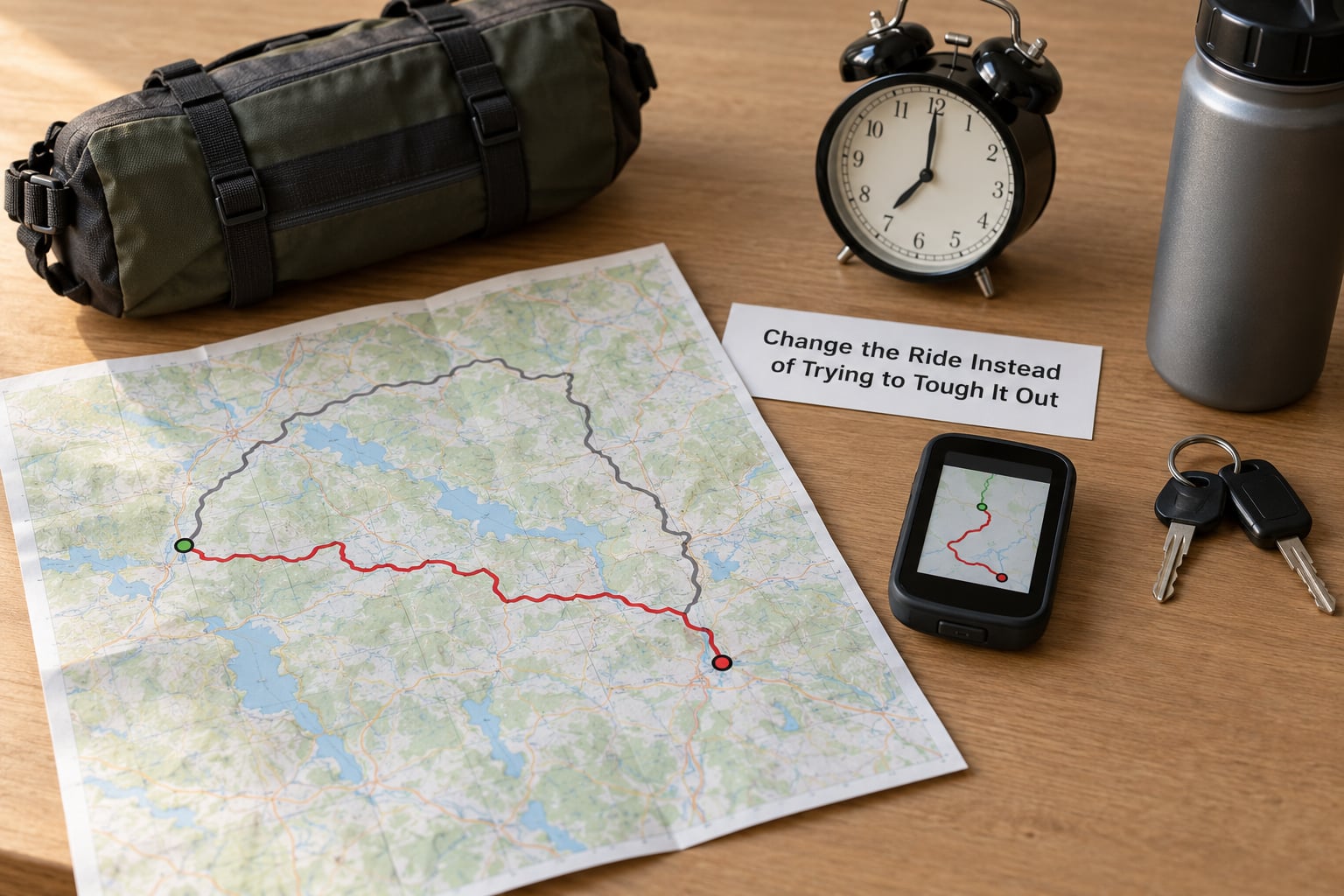
The single best thing you can do for safety is shrink the event. Nothing else on this list has the same ratio of benefit to effort.
Take the 200-mile rider who planned a 12-hour start. Say they get to mile 70 having slept badly and cannot hold a straight line on a descent. The safer version of that ride is not a heroic push to a cafe; it is a decision to commit to leaving after mile 100, with a pickup arranged, and treating that as the plan rather than the failure. Same event, same number, entirely different finish.
Concretely, shorten the distance, pick a bailout route that stays on quiet roads, remove the time pressure from your head, slow the pace to something you could hold while holding a conversation, stay off unsupported gravel, and set a firm time to be picked up. Write the time down and hand it to the person waiting.
3. Protect Alertness Without Relying on Stimulants
Caffeine reduces how tired you feel. It does not restore judgement, reaction time or decision-making, which is exactly why it is useful and dangerous on the same ride.
Follow the label on what you take and mainstream health guidance, pair it with food, fluids and movement, and never keep increasing the dose to chase the same lift. Two espressos work better than six, and six work worse than two for the reason above.
If you have a heart condition, take medication, or any history with anxiety, talk to a clinician before changing your usual routine right before an event. Do not experiment with a stimulant on the morning of the longest ride of your year.
4. Fuel and Hydrate for Stable Energy
Ultra riders commonly land on 60 to 90 grams of carbohydrate an hour once they are past the first couple of hours, sipped steadily rather than stuffed in one go. Drink to a plan you have already practised, usually somewhere around 400 to 800 millilitres an hour depending on heat and effort, and add sodium according to your own needs and the conditions.
Set eating intervals and follow them even when you have no appetite. Empty-stomach fatigue and low blood sugar feel almost identical to sleep pressure, and one of them you can fix with a gel. Riders who skip meals tend to be the ones who say they could not eat, which is itself a symptom.
None of this cures sleep deprivation. But a well-fed, well-hydrated rider makes better decisions at 3 a.m., which is the whole point. If you have diabetes, a hydration disorder or any other medical condition, get your numbers from a doctor or a registered dietitian rather than from a forum post.
5. Use Short, Purposeful Breaks
A fifteen-minute stop buys you more than a vague promise to push on. Get off the bike, move your legs, eat something with carbohydrate, drink, sit in shade if it is warm, and then honestly reassess.
There are two kinds of stop. A restorative one gives your brain real down time. The other kind is just a pause you keep interrupting because you feel guilty, which restores almost nothing and teaches you that stopping was a mistake.
Use a simple test before you set off again. Do you feel more deliberate, more coordinated, and clearer about the next hour than when you arrived? If not, the break was too short, too warm, too noisy, or you started before you were actually awake.
6. Ride Defensively and Drop the Pace

Fatigue makes microsleeps more likely, hazards harder to see, braking later than you intended, and balance worse. Slow down and the whole list becomes less dangerous.
Concretely: hold an easy sustainable effort, leave a much bigger gap than usual, brake early and predictably, run bright front and rear lights from well before you need them, signal earlier and more clearly, and route around the busier roads even if it costs you time you feel you do not have.
Ignore the pace of riders passing you. Group pressure is hardest to refuse at hour twenty, which is precisely when refusing it matters most. Turning back, shortening the route or stopping for the night is not a failed ride. It is the safety plan working.
7. Know When to End the Ride
Some signs mean stop now, not stop soon. Repeated nodding off, drifting across the lane, missing turns you have ridden before, confused or slurred speech, worsening balance, or seeing and hearing things that are not there are all stop signals.
So are physical red flags that have nothing to do with tiredness: chest pain, a severe headache that will not shift, or abnormal breathing. For those, get to a safe public place, call someone for help, and seek urgent medical attention. Do not try to ride it out and do not try to reach a finish on your own.
Move to a lit place with other people, message or call your contact, and let them make the call about your ride. A rider alone with deteriorating judgement is exactly the person who thinks they are fine.
8. Recover Afterward and Address the Cause
Rehydrate, eat a normal balanced meal, and do not drive if you are still impaired. Post-event insomnia is common and is not a sign that something is wrong with you, but it does make the drive home a bad idea.
Protect sleep in the days after a big event rather than immediately trying to train again. If overwhelming sleepiness keeps happening, or you cannot sleep even when you have the chance, bring that to a doctor. Recurring, severe sleep problems have medical causes that are worth finding, and the people best placed to find them are clinicians.
Common Mistakes and Their Fixes
- Finishing while impaired. The finish is not the point of the ride. Set a distance or time commitment at the start, when your judgement is good, and treat reaching it as success.
- Trusting caffeine for confidence. It buys alertness, not judgement. Use it within the label, never escalate, and never let a stimulant stand in for a rest stop.
- Pushing through warning signs. Nodding off, missed turns and drifting are not minor annoyances. They are the mechanism by which the accident happens. Stop the bike first.
- Riding alone with no bailout. Choose a route with short, easy exits, share your plan and timing, and carry a backup way off the course.
- Eating only when hungry. Tired riders stop being hungry before they stop needing fuel. Set a timer and eat on schedule.
- Stopping in unsafe places. A layby at the wrong hour, a dark verge, an unlit industrial road. Stop somewhere lit and public where someone can find you.
Three reminders worth repeating: decide your limits while you are rested, keep the pace easy enough that fatigue cannot push it up, and treat stopping as a plan rather than a defeat.
Frequently Asked Questions
Is it safe to ride an ultra after little or no sleep?
For most riders, the safer choice is to delay the start and sleep. Long solo rides, night descents and unlit roads are where fatigue does real damage, and impairment builds faster than most people expect. If the delay is impossible, shorten the ride, remove the time pressure, ride at an easy pace and tell someone your exact plan and pickup time. If you cannot stay awake, keep nodding off, or feel confused, do not ride at all.
How much caffeine can I take before an ultra ride?
Follow the label on whatever you take and mainstream health guidance rather than chasing a bigger effect with more. Useful timing is roughly 30 minutes before a short nap, so the caffeine takes effect as you wake, and stopping intake well before your planned sleep block. Never escalate the dose chasing the same lift, and skip it entirely if you have a heart condition, take medication, or have anxiety issues unless your clinician has said otherwise.
Can I power through fatigue because my event clock is still running?
The clock is a fact; your judgement is a variable. Pushing through on four hours of sleep has ended finishes that a stop would have saved, because the decisions that go wrong are not effort decisions, they are navigation, braking and traffic decisions. If the race design punishes rest, that is the race design talking, not your body. Most riders who finish well are the ones who took a planned stop early, while they could still think clearly.
What signs mean I should stop riding immediately?
Stop moving and get to a safe, lit place with other people if you notice nodding off, drifting across the lane, missing familiar turns, confused or slurred speech, worsening balance, or seeing and hearing things that are not there. Chest pain, a severe headache that will not shift, or abnormal breathing need urgent medical help regardless of tiredness. Call someone, tell them where you are, and let them decide how you get home. Do not ride it out.
How can I tell whether a short nap or break is enough to continue?
Check three things before you set off: are your movements deliberate, is your speech and thinking clear, and do you know the next hour of the route without rereading the map. If all three are true and you feel warmer and calmer than when you arrived, a 15 to 20 minute stop has done its job. If you are still groggy, went back under without meaning to, or cannot recall the last few minutes, you need a longer stop, a warmer place and ideally company.
Start with an honest alertness check, not a pep talk. If you would not be comfortable, shorten the ride, set a firm end time and share it with someone. And if safe riding cannot be maintained, stopping is the correct result, not a disappointing one.